

Milan Blind Spot Resolution

What is the Milan Blind Spot Resolution?
The Milan Blind Spot Resolution 971/2023 requires vehicles in categories M2, M3, N2, and N3 traveling in Milan’s Area B (7:30 a.m. to 7:30 p.m.) to install advanced detection systems that detect vulnerable road users (VRUs) such as pedestrians and cyclists in truck blind spots.
These vehicle safety systems must detect VRUs near the front or sidewalk side of the vehicle, and issue alert signals to both the driver and VRU.
This initiative specifically targets the dangers posed by truck blind spots, aiming to reduce incidents and improve visibility for drivers.
Milan’s Area B
Our detailed map shows Milan’s Area B where the Blind Spot Regulation applies from 7:30 AM to 7:30PM.
Area B of the Municipality of Milan covers most of the city’s territory and is bounded by 186 access points, shown in blue on the map. It is in operation from Monday to Friday, from 7.30 am to 7.30 pm, excluding public holidays. Unlike Area C, which is situated in the historic centre, access to Area B does not require the payment of a ticket, but is only permitted for vehicles that meet the specified requirements, including those relating to blind-spot warning systems.

What is the Milan Blind Spot Requirements?

Advanced Detection System
Identifies pedestrians and cyclists in truck blind spots, at the front or on the sidewalk side.

Warning Alert
Notifies both the driver and vulnerable road users of their presence in truck blind spots.
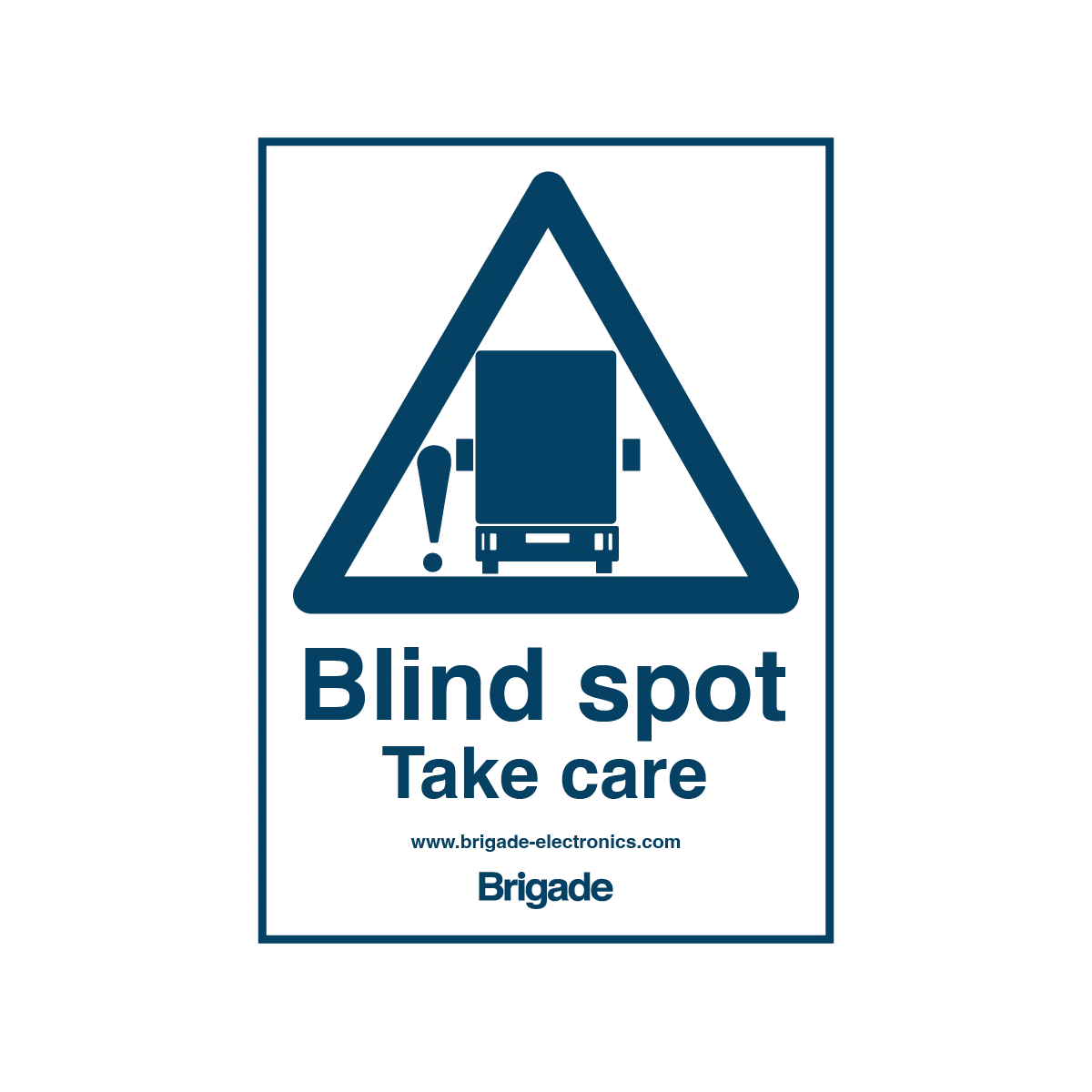
Mandatory Blind Spot Sticker
Displayed at cyclists’ and pedestrians’ eye level to alert them about a vehicle’s blind spots.
Get Compliant
When do I need to be compliant?
The regulation prioritises heavier vehicles (M3 and N3) such as busses and trucks to be compliant before lighter vehicles (M2 and N2).

M3/N3 Vehicles
Installation by 31/12/2024.

M2/N2 Vehicles
Purchase agreements by 01/10/2024; installation by 31/12/2025.
What are "N" and "M" Category Vehicles?
Classifying “N” and “M” category vehicles are crucial for differentiating vehicles by their size, weight and purpose. Vehicles within these categories need to be fitted with certain vehicles safety equipment to be compliant for legislation initivaties like the Milan Blind Spot and GSR.
Brigade’s Milan Blind Spot Resolution Kits
Our Milan Blind Spot kits cater to busses, trucks, and vans, ensuring your vehicle adheres to the Milan Blind Spot Resolution. Our radar and sensor detection technology eliminates truck blind spots by detecting VRUs and alerting the driver of their presence.
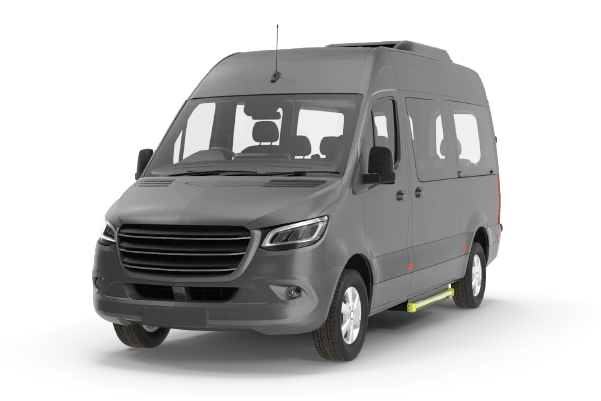
M2 Vehicles
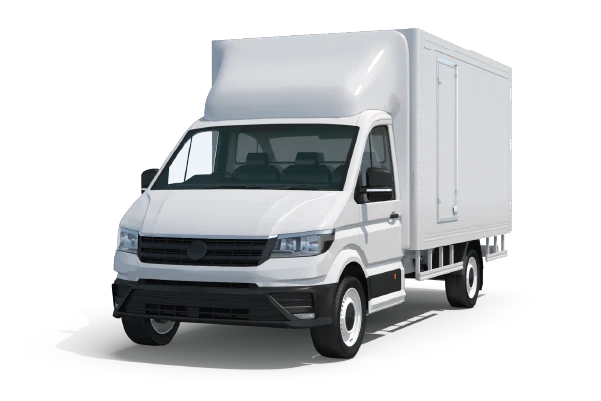
N2 Vehicles

M3 Vehicles

N3 Vehicles
Frequently Asked Questions
Which vehicles must be fitted with sensors to enter Area B?
Vehicles in categories M2, M3, N2 and N3 must be equipped with systems capable of detecting pedestrians and cyclists near the front of the vehicle and on the pavement side. The system must alert the driver using an audible, visual or tactile warning. The vehicle category appears in field J of the registration document.
Do vans need to be fitted with blind-spot sensors in Milan?
Which sensors are compulsory for trucks in Milan?
How do you register blind-spot sensors on the Area B portal?
Register the vehicle on the Area B portal and select the permit request for the blind-spot access restriction, shown as “Area B Divieto di accesso angolo cieco”. After entering the vehicle category and registration number, upload the registration document and a declaration from the installer stating the system’s make and model, registration number and vehicle identification number. A manufacturer’s declaration may be required if the system was fitted as original equipment. The process should be completed before entering the restricted traffic zone.
Where must the mandatory blind spot sticker be positioned?
What is the difference between M2, M3, N2 and N3 vehicles?
M2 covers passenger vehicles with more than eight seats in addition to the driver’s seat and a maximum mass not exceeding 5 tonnes. M3 covers equivalent passenger vehicles with a maximum mass exceeding 5 tonnes. N2 covers goods vehicles with a maximum mass exceeding 3.5 tonnes but not exceeding 12 tonnes. N3 covers goods vehicles with a maximum mass exceeding 12 tonnes. More info about these categories can be found here.
What are the penalties for a truck without sensors in Area B?
A non-compliant vehicle entering Area B may be detected automatically by the access-point cameras. Enforcement for vehicles without the required systems has been active since 1 October 2024. Under Article 7(14) of the Italian Highway Code, breaching a restricted traffic zone prohibition generally carries an administrative fine of between €83 and €332. The applicable amount should be checked at the time of the offence.
Is Resolution 971/2023 still in force?
Radar or ultrasound: which system should you choose for blind-spot detection?
How Brigade Can Help
Brigade has compiled Milan Blind Spot Resolution kits to help you get compliant. These kits are suited for M2, N2, M3, and M2 vehicles.
You can select either a radar or ultrasonic sensor configuration.
Enquire for Brigade Milan Kits
M3 Blind Spot Radar and Alarm Kit
For Both Articulated and Rigid Vehicles
The highlighted codes are the solution recommended by Brigade, considering the variety of fleets on the road, we leave it up to the installer to use our alternatives.
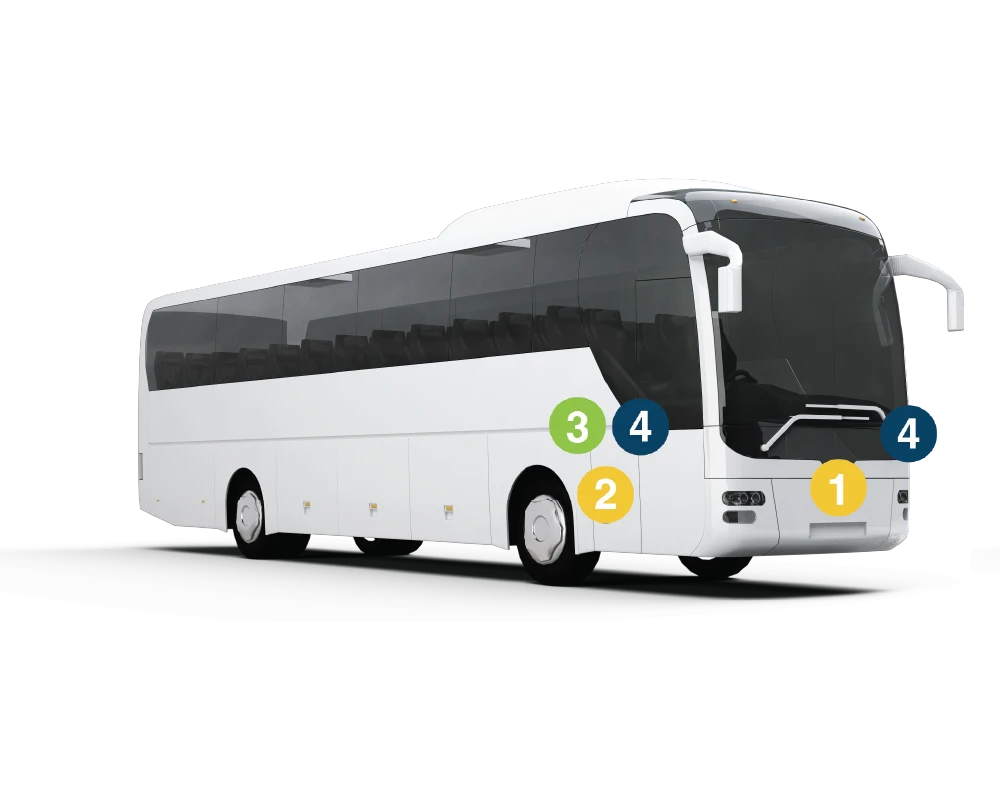
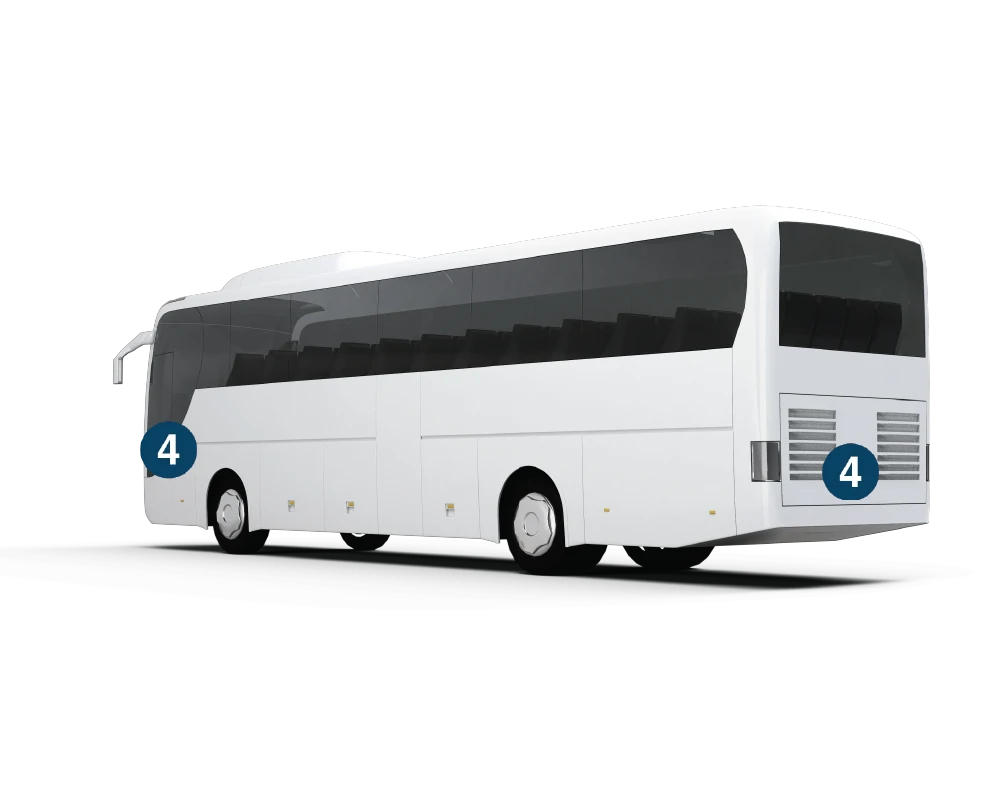


FR-001R159
Advanced dual-radar collision avoidance sensor system with a 180° detection angle.


RP-001
Award-winning collision avoidance sensor system.


BBS-82/12-24V
White sound alarm for pedestrians/cyclists.
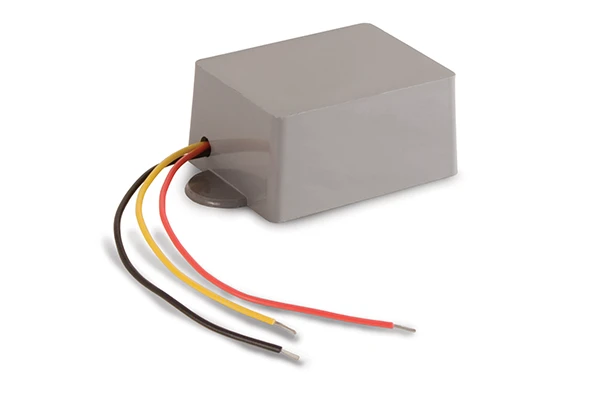

TS-001ECU
System activator via indicator


Blind Spot Sticker
N3 Blind Spot Radar and Alarm Kit
For Both Articulated and Rigid Vehicles
The highlighted codes are the solution recommended by Brigade, considering the variety of fleets on the road, we leave it up to the installer to use our alternatives.
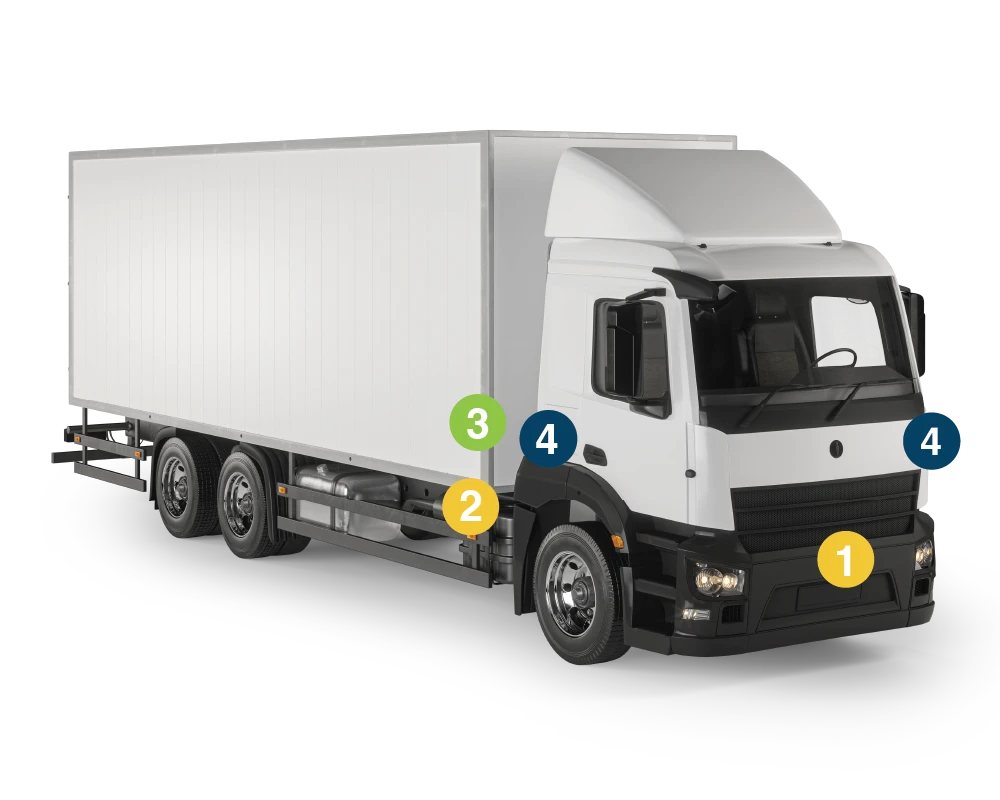
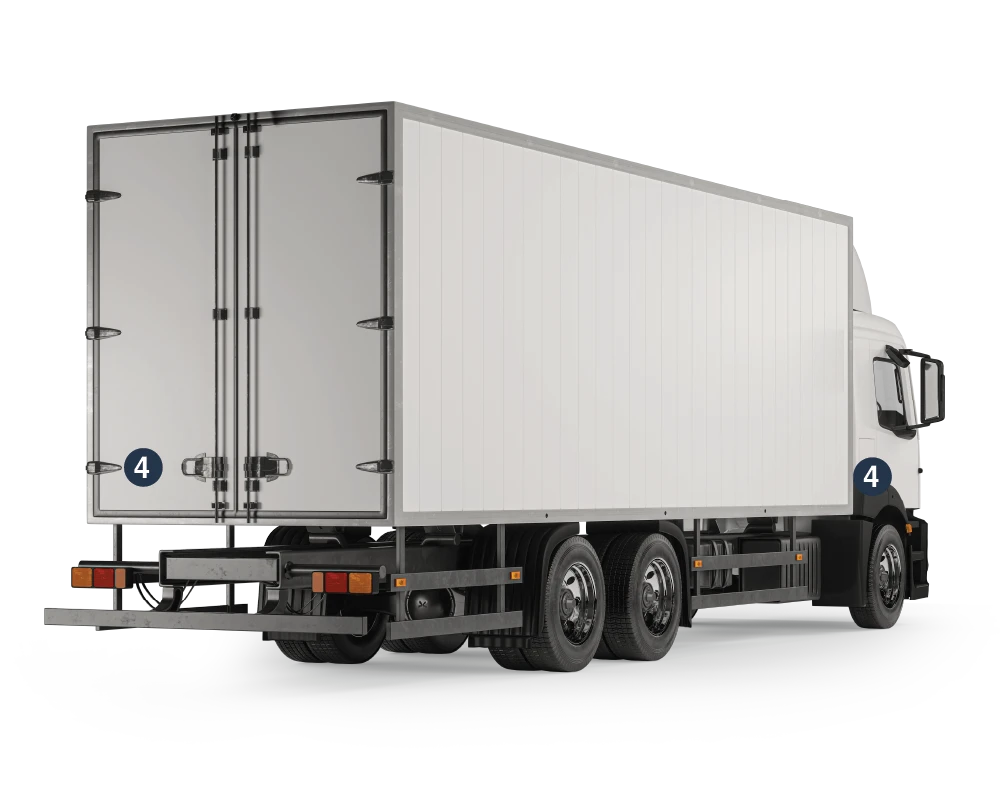
FR-001R159
Advanced dual-radar collision avoidance sensor system with a 180° detection angle.
RP-001
Award-winning collision avoidance sensor system.
BBS-82/12-24V
White sound alarm for pedestrians/cyclists.
TS-001ECU
System activator via indicator
Blind Spot Sticker
N2 Blind Spot Radar and Alarm Kit
For Both Articulated and Rigid Vehicles
The highlighted codes are the solution recommended by Brigade, considering the variety of fleets on the road, we leave it up to the installer to use our alternatives.
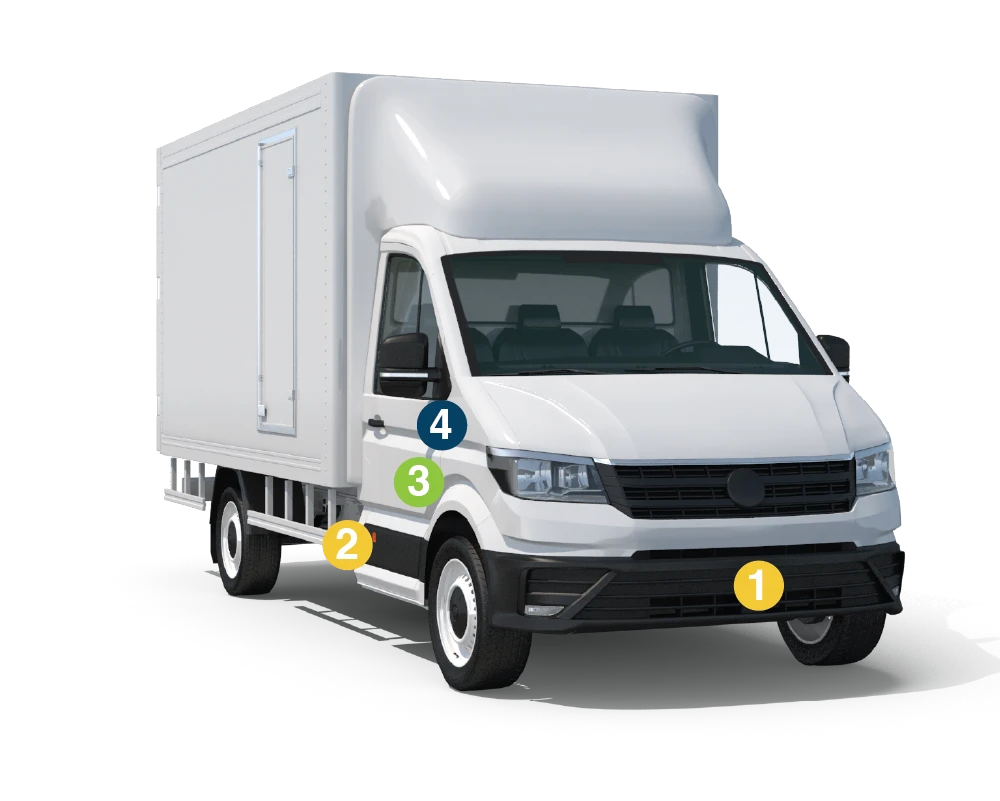
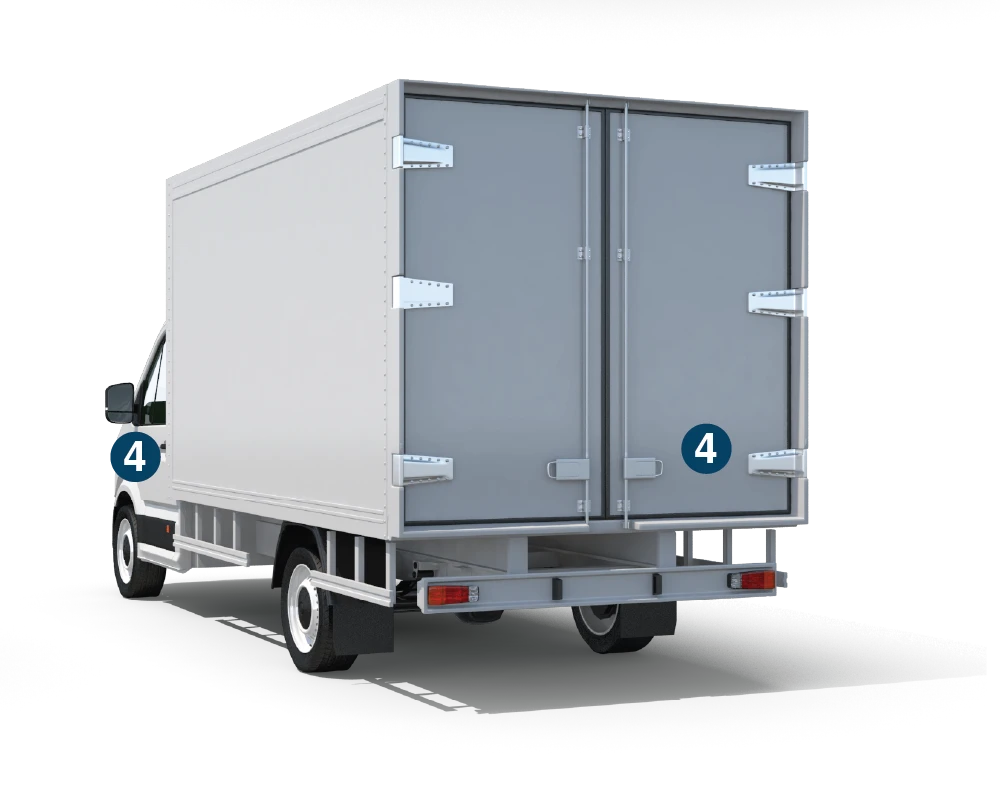
FR-001R159
Advanced dual-radar collision avoidance sensor system with a 180° detection angle.
RP-001
Award-winning collision avoidance sensor system.
BBS-82/12-24V
White sound alarm for pedestrians/cyclists.
TS-001ECU
System activator via indicator
Blind Spot Sticker
M2 Blind Spot Radar and Alarm Kit
For Both Articulated and Rigid Vehicles
The highlighted codes are the solution recommended by Brigade, considering the variety of fleets on the road, we leave it up to the installer to use our alternatives.
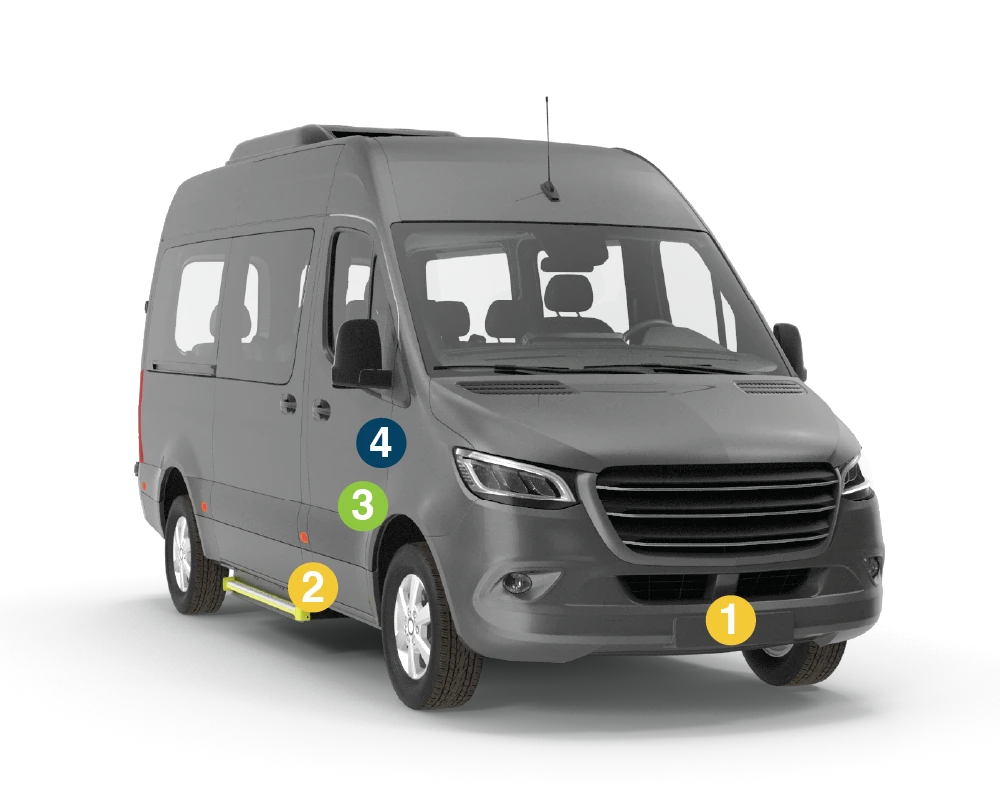
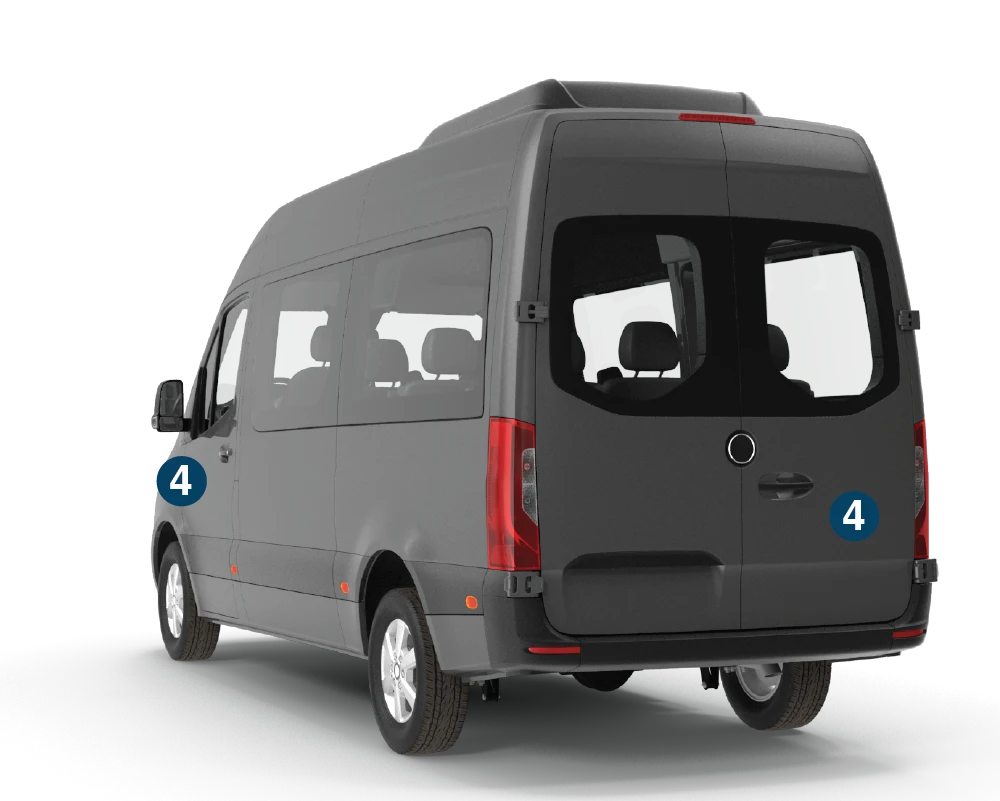
FR-001R159
Advanced dual-radar collision avoidance sensor system with a 180° detection angle.
RP-001
Award-winning collision avoidance sensor system.
BBS-82/12-24V
White sound alarm for pedestrians/cyclists.
TS-001ECU
System activator via indicator
Blind Spot Sticker
N3 Blind Spot Sensors and Alarm Kit
For Both Articulated and Rigid Vehicles
The highlighted codes are the solution recommended by Brigade, considering the variety of fleets on the road, we leave it up to the installer to use our alternatives.
If necessary, a 2.5 m sensor extension (UDS-2.5SC- 3719) or 4.5 m sensor extension (UDS-4.5SC-3720) is available


Frontscan®
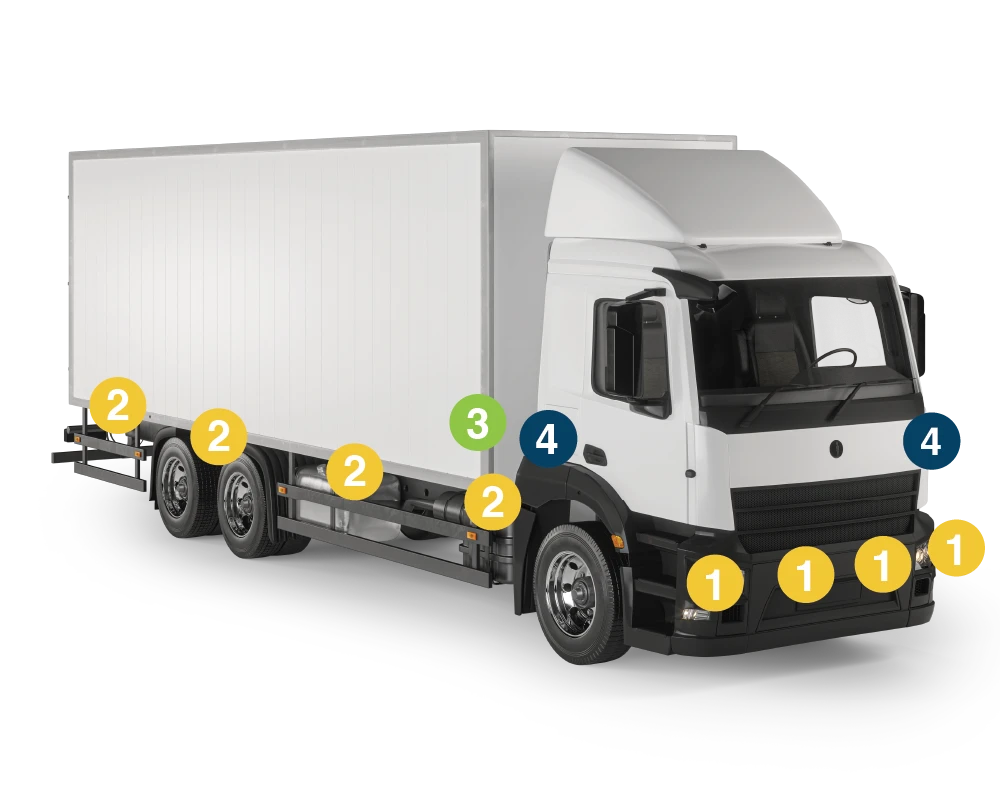
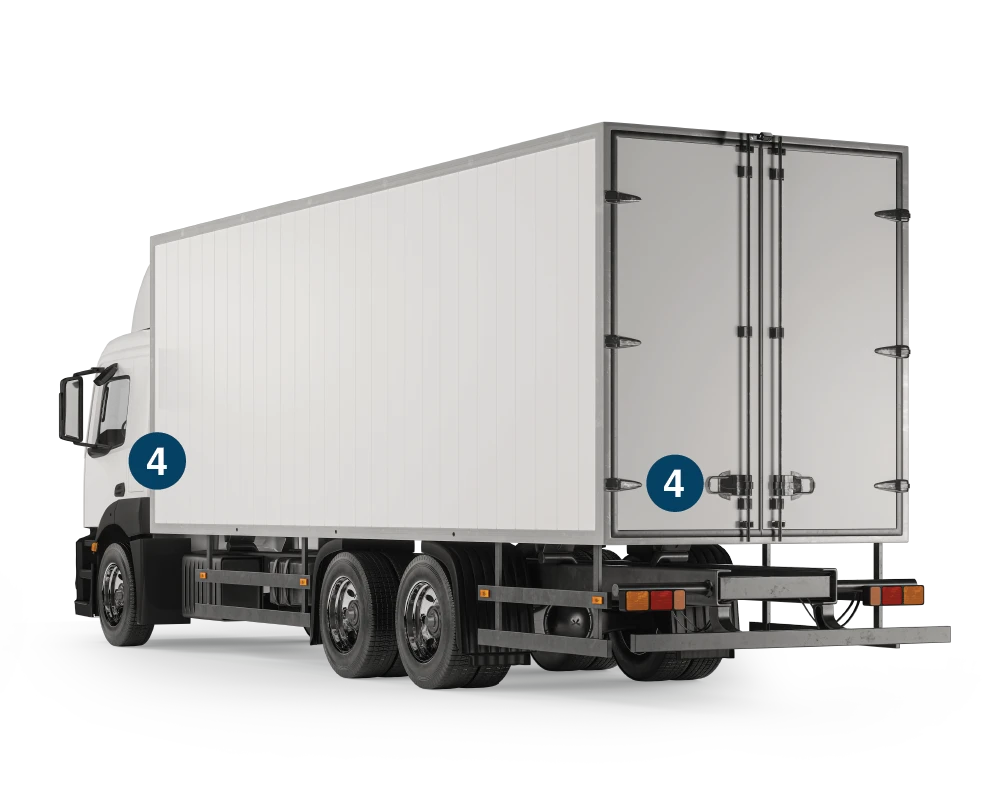
4 sensor system fitted to front of the vehicle.


Sidescan®
4 sensor system fitted to side of vehicle.

LS-60-A
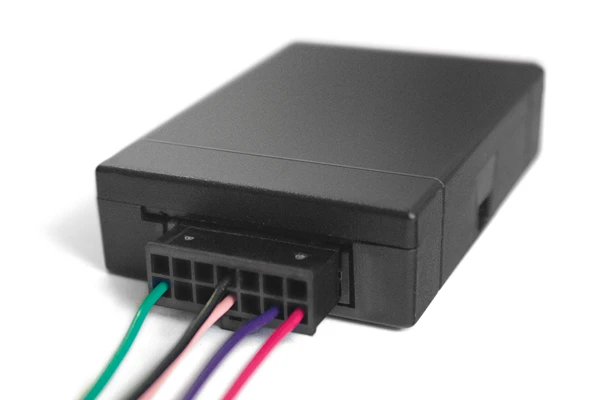
Low-speed activation module
BBS-82/12-24V
White Sound® alarm for pedestrians/cyclists.
TS-001ECU
System activator via indicator
Blind Spot Sticker
M3 Blind Spot Sensors and Alarm Kit
For Both Articulated and Rigid Vehicles
The highlighted codes are the solution recommended by Brigade, considering the variety of fleets on the road, we leave it up to the installer to use our alternatives.
If necessary, a 2.5 m sensor extension (UDS-2.5SC- 3719) or 4.5 m sensor extension (UDS-4.5SC-3720) is available
Frontscan®
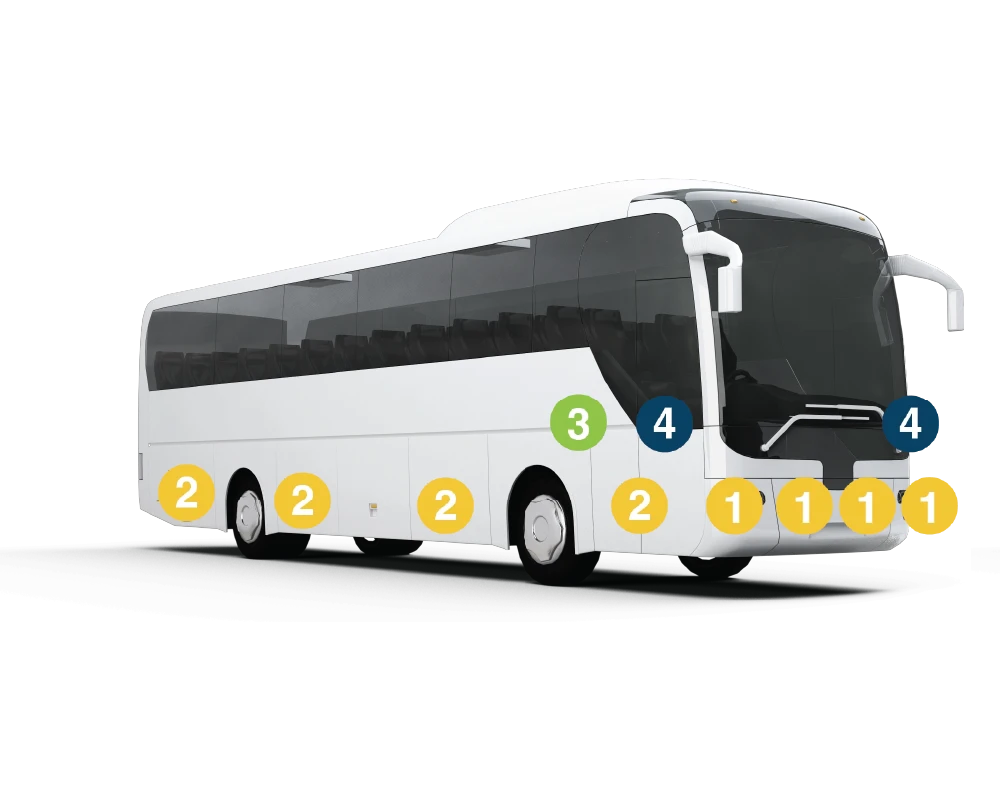
4 sensor system fitted to front of the vehicle.
Sidescan®
4 sensor system fitted to side of vehicle.
LS-60-A
Low-speed activation module
BBS-82/12-24V
White Sound® alarm for pedestrians/cyclists.
TS-001ECU
System activator via indicator
Blind Spot Sticker
N2 Blind Spot Sensors and Alarm Kit
For Both Articulated and Rigid Vehicles
The highlighted codes are the solution recommended by Brigade, considering the variety of fleets on the road, we leave it up to the installer to use our alternatives.
If necessary, a 2.5 m sensor extension (UDS-2.5SC- 3719) or 4.5 m sensor extension (UDS-4.5SC-3720) is available
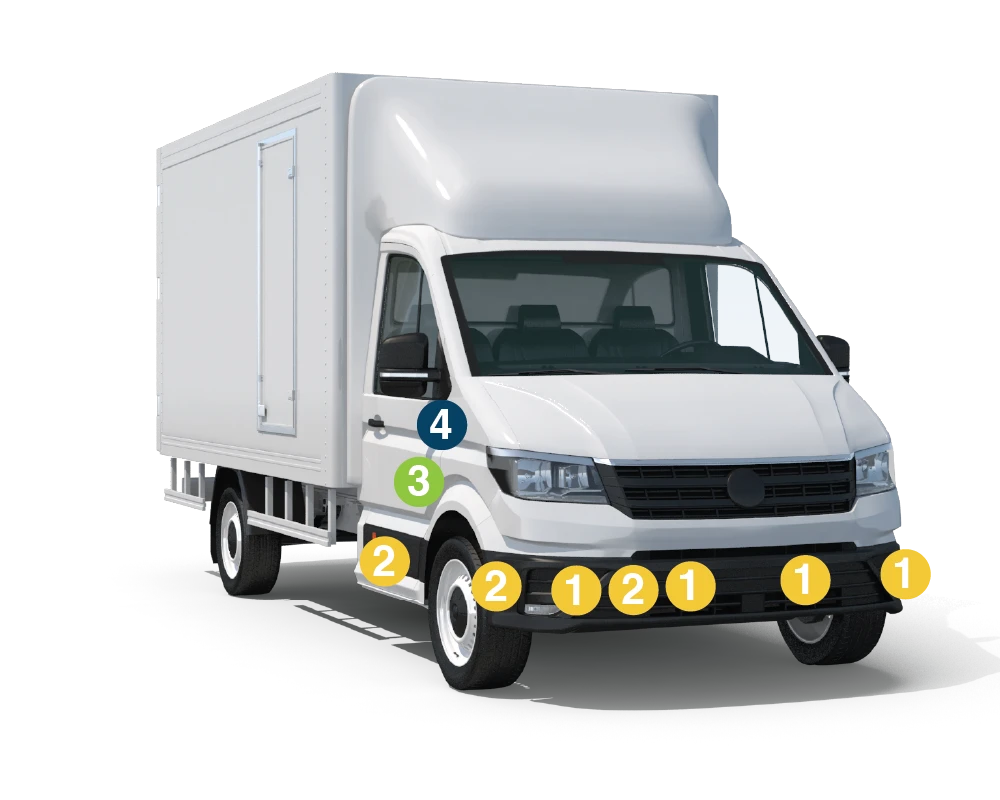
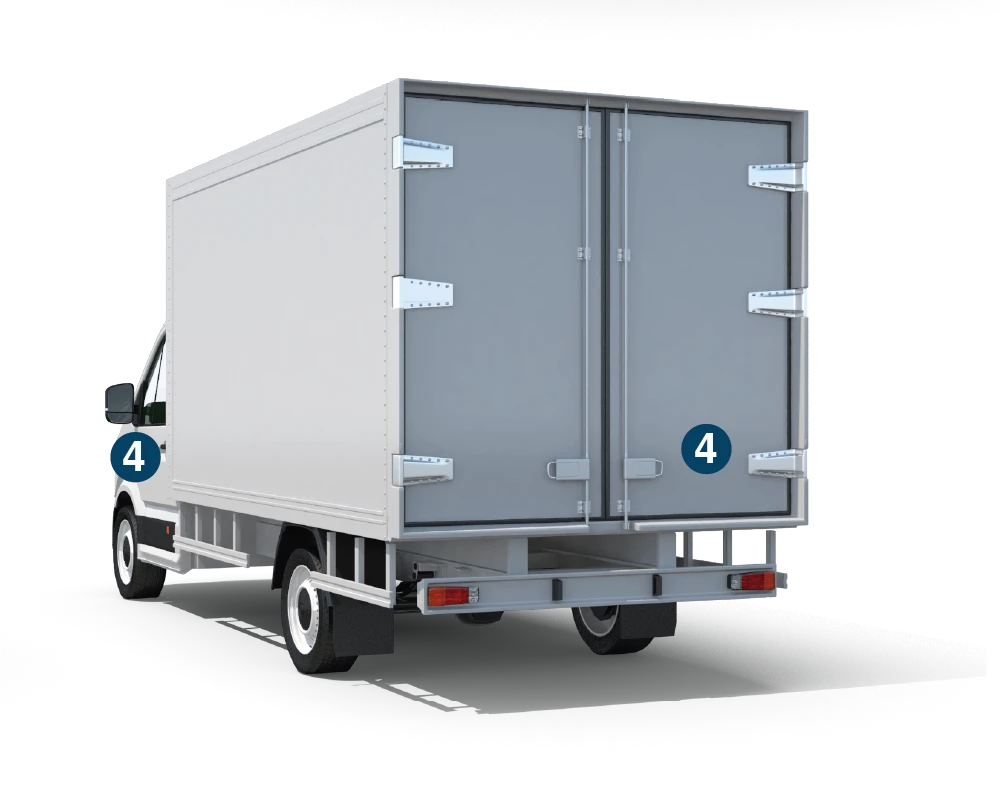
Frontscan®
4 sensor system fitted to front of the vehicle.
Cornerscan®
3 sensor system fitted to near side corner of vehicle cab.
LS-60-A
Low-speed activation module
BBS-82/12-24V
White Sound® alarm for pedestrians/cyclists.
TS-001ECU
System activator via indicator
Blind Spot Sticker
M2 Blind Spot Sensors and Alarm Kit
For Both Articulated and Rigid Vehicles
The highlighted codes are the solution recommended by Brigade, considering the variety of fleets on the road, we leave it up to the installer to use our alternatives.
If necessary, a 2.5 m sensor extension (UDS-2.5SC- 3719) or 4.5 m sensor extension (UDS-4.5SC-3720) is available
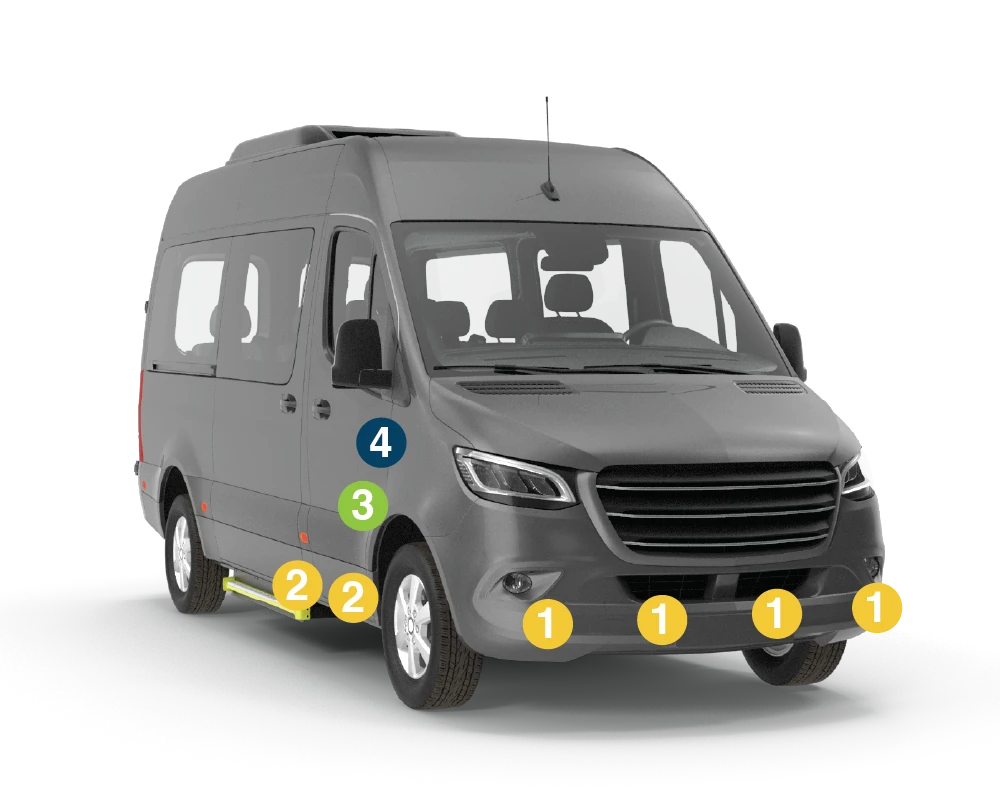
Frontscan®
4 sensor system fitted to front of the vehicle.

Stepscan™
2 sensor system fitted to nearside cab step.
LS-60-A
Low-speed activation module
BBS-82/12-24V
White Sound® alarm for pedestrians/cyclists.
TS-001ECU
System activator via indicator