


In June 2026, Tim Biddulph, a member of Brigade Electronics Product Management team, attended the Breakbulk & Project Cargo Safety event in Rotterdam, one of Europe’s leading seaports for breakbulk and project cargo operations. We sat down with him as he shared with us the valuable information that he gathered and new updates to the industry.

What are the most pressing issues faced by those active in the breakbulk and project cargo sector?
The biggest issue is keeping people safe around moving vehicles. Breakbulk and project cargo terminals are not like container ports where you can standardise traffic flows and automate at scale. Every lift, piece of cargo, and every vessel call is different, and they all share tightly constrained quayside and yard space with people on the ground. That is genuinely dangerous and very hard to design out.
In UK workplaces overall, more than 5,000 transport incidents occur every year, with 37% of fatal incidents in the transport and storage sector being caused by a moving vehicle striking someone. In heavy industrial settings with large, slow-moving equipment and significant blind spots, those numbers translate directly into real incidents that terminal managers are working hard to prevent.
A second major challenge is the sheer variety of equipment operators are running. What that means in practice is that the level of safety equipment fitted, from cameras and detection systems to alarms, varies significantly from one vehicle to the next, and sometimes between vehicles of the same type bought at different times.
This is also where the wider industry has an important role to play. Industry associations, port authorities and trade bodies should work together to call for one common safety standard for all vehicles operating in port areas, similar to the role CLOCS-A has played in raising standards within the construction sector in the UK and Australia. A unified approach would give operators a clearer benchmark, support more consistent procurement decisions and help raise safety expectations across the whole port environment.
The growth of the sector itself is creating new exposure. The global breakbulk shipping market reached approximately USD 19.7 billion in 2024 and is forecast to grow at around 5.2% per year to reach USD 31 billion by 2033, driven particularly by renewable energy components, infrastructure, and heavy manufacturing. More movements, more specialised equipment, and more varied cargo types means more complexity to manage safely.

How can Brigade's equipment support this, and where are you seeing the most interest? Are there growth markets not yet on the radar?
Brigade’s portfolio maps directly onto the risk profile of a project cargo or breakbulk terminal. Our focus is the vehicle and equipment layer, the assets that move, reverse, slew, and lift, which is precisely where the danger concentrates.
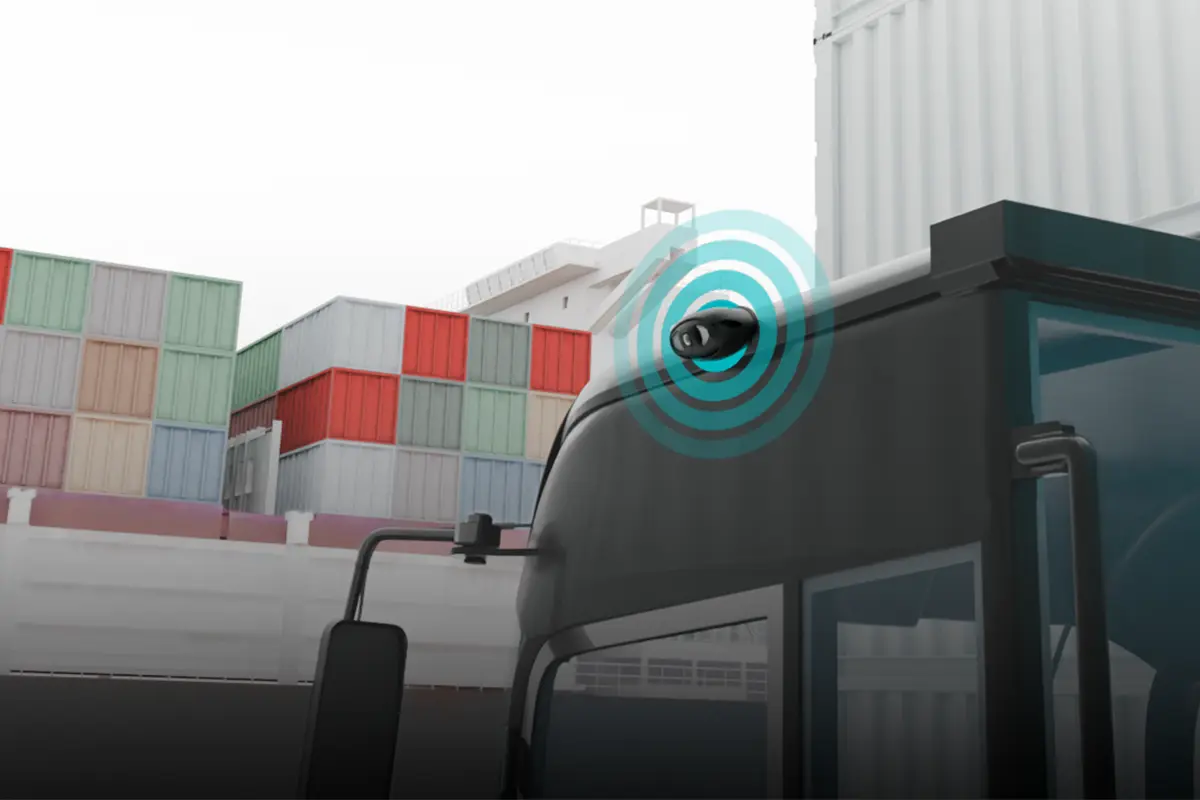
Our core safety products, including 360-degree camera systems, radar and ultrasonic detection, and White Sound reversing alarms, tackle blind spots and improve pedestrian awareness. White Sound is especially effective for night operations near local communities. Alongside these, our video telematics platform is becoming increasingly central, giving operators day to day visibility of driver behaviour, speed, and awareness so they can coach drivers proactively, rather than waiting to review footage after an incident.
The strongest immediate interest is from port and terminal operators in Europe and the UK handling project cargo and ro-ro freight, typically mid-sized operations that have invested in their facilities but are now focused on raising the safety standard across their vehicle fleets. They want a system that can be fitted to what they already own and works consistently across the board.
Renewable energy project cargo is a key growth market, driven by wind turbine blades, nacelles, and transformers. As more ports worldwide handle these high-value loads, the vehicles transporting them are where our solutions have the greatest impact. With the global energy transition accelerating, preventing a single serious incident can avoid significant commercial losses.

Tim Biddulph, Senior Product Manager, Brigade Electronics

How have technological developments - AI and others - benefitted Brigade's growth, and what is coming next?
AI has fundamentally changed what our products can do. Camera systems used to be passive: the driver saw what was behind them and had to react. AI-based video analysis changes that completely. Our systems now detect and identify people and objects in real time and alert the driver before a collision, rather than simply showing them a picture.
Video telematics is our fastest growing area as the market shifts from basic recording to AI-enabled safety analysis. Demand from operators reflects this move from reactive to proactive safety management, with real-time driver monitoring, coaching insights, and the visibility safety managers need to act before incidents occur. This is especially valuable for fleets operating different vehicle types and generations. We are investing heavily in this area, and it will be a key driver of Brigade’s growth over the next 12 months.
Looking ahead, the link between electrification and safety is an area that is not yet getting the attention it deserves. As fleets transition to electric vehicles, an important safety challenge is often overlooked: EVs are much quieter, making them harder for people nearby to detect. This increases the need for solutions like White Sound alarms and 360- degree vision systems, meaning conversations about greener fleets should go hand in hand with improving fleet safety.