

ADR 105/00 Compliance Solutions for Heavy Vehicles

Prepare Your Fleet for ADR 105/00 Blind Spot Safety Requirements
ADR 105/00 introduces new safety requirements designed to reduce collisions involving vulnerable road users, including cyclists, pedestrians and motorcyclists. For many heavy vehicles operating in Australia, Blind Spot Information Systems (BSIS) will play an important role in improving driver awareness and supporting compliance with the Australian Design Rule.
Brigade’s Radar Predict system provides intelligent blind spot detection technology that helps drivers identify vulnerable road users travelling alongside the vehicle during turning and low-speed maneuvers.
Whether you operate rigid trucks, articulated vehicles or mixed commercial fleets, now is the time to prepare for ADR 105/00 requirements.
What is ADR 105/00?
ADR 105/00 is an Australian Design Rule focused on improving the safety of vulnerable road users around heavy vehicles.
The regulation aims to address blind spot risks by requiring safety technologies that help drivers detect pedestrians, cyclists and other road users who may be difficult to see using mirrors alone.
As compliance deadlines approach, fleet operators need practical solutions that support safer operation while helping meet evolving regulatory requirements.
The Blind Spot Risk Heavy Vehicle Drivers Face
Cyclists and pedestrians can move into these areas without being visible to the driver. During a left-hand turn, a vulnerable road user travelling alongside the vehicle may be at risk if they remain undetected.
Traditional mirrors can help, but they do not always provide complete visibility in dynamic road environments.
Get ADR 105/00 Compliant
Our team can help you achieve ADR 150/00 Blind Spot Information System compliance.
Brigade Radar Predict: Intelligent Blind Spot Information System

Real-Time Vulnerable Road User Detection
Detects cyclists, pedestrians and other road users travelling alongside the vehicle in critical blind spot areas.

AI-Powered Collision Assessment
Advanced processing helps determine when a vulnerable road user is likely to intersect with the vehicle’s path.

Driver-friendly Alerts
Provides clear, calm notifications designed to improve awareness without creating unnecessary distraction.

Continuous Side Monitoring
Maintains surveillance of blind spot zones throughout vehicle operation, helping drivers make safer maneuvers.
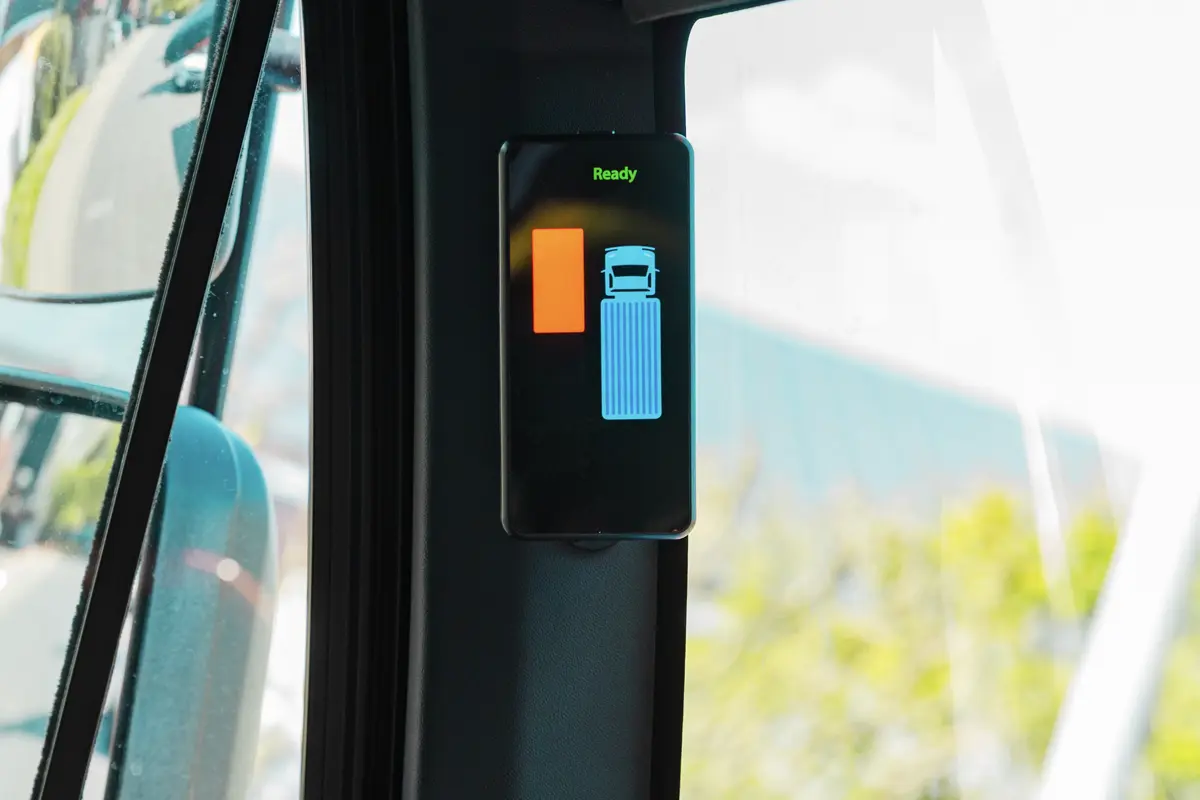
Radar Predict
A blind spot detection system designed to support safer HGV operations.
Who Can Benefit From Radar Predict?
Why Choose Radar Predict for ADR 105/00 Preparation?

Improved Awareness
Provides additional visibility into areas that are difficult to monitor using mirrors alone.

Enhanced VRU Protection
Helps identify cyclists and pedestrians before potential conflicts develop.

Reduced False Alerts
Intelligent filtering focuses driver attention on relevant hazards rather than generating excessive warnings.

Simple Installation
Plug-and-play design with no calibration required, helping minimize vehicle downtime.

Future-Ready Fleet Safety
Supports organisations looking to proactively prepare for Australian Design Rule requirements.
How Radar Predict Works
When a vulnerable road user enters the monitored zone, the system evaluates movement patterns and potential collision risk. Drivers receive visual alerts based on the level of risk, helping them make informed decisions during maneuvers.
The result is a smarter Blind Spot Information System that supports safer vehicle operation in busy urban environments.
Frequently Asked Questions
What is an ADR150/00 Blind Spot Information System?
An ADR150/00 Blind Spot Information System (BSIS) is a vehicle safety system designed to detect vulnerable road users, such as cyclists, in the truck’s blind spot and alert the driver to their presence. The system uses sensors, cameras, radar or a combination of technologies to monitor areas that are difficult for the driver to see directly, helping reduce the risk of side-swipe and turning collisions.
What is the ADR150/00 Blind Spot Information System standard?
ADR150/00 is an Australian Design Rule that introduces blind spot detection requirements for certain heavy vehicles. The standard is based on UNECE Regulation R151 and specifies performance requirements for Blind Spot Information Systems, including detection zones, warning methods and operating conditions. Its purpose is to improve safety for vulnerable road users by reducing collisions caused by vehicle blind spots.
How does an ADR150/00 Blind Spot Information System work?
An ADR150/00 Blind Spot Information System continuously monitors the vehicle’s blind spot using technologies such as radar, cameras or ultrasonic sensors. When a cyclist or other vulnerable road user enters the monitored area, the system provides a visual, audible or haptic warning to the driver. More advanced systems can assess movement and collision risk, helping reduce unnecessary alerts while providing timely warnings when intervention may be needed. Brigade’s Radar Predict system, for example, uses AI-powered radar technology to distinguish between moving and static objects and supports driver awareness in blind spot areas.
What is the ADR150/00 Blind Spot Information System rule for trucks?
ADR150/00 requires eligible heavy vehicles to be equipped with a Blind Spot Information System that monitors the side blind spot and alerts the driver to the presence of vulnerable road users. The regulation is intended to improve safety during low-speed maneuvers and turning movements where cyclists and pedestrians are most at risk. Vehicle manufacturers and operators should verify the specific applicability dates and vehicle categories covered under the ADR.
Why is an ADR150/00 Blind Spot Information System required?
ADR150/00 is required to help reduce collisions between heavy vehicles and vulnerable road users. Large trucks have significant blind spots that can make it difficult for drivers to see cyclists and pedestrians travelling alongside the vehicle. By providing timely warnings, BSIS technology helps improve driver awareness and supports safer road use for everyone.
What is the best ADR150/00 Blind Spot Information System?
The best ADR150/00 Blind Spot Information System is one that complies with the regulation, provides reliable detection, minimizes false alerts and is suitable for the vehicle’s operating environment. Key factors to consider include detection accuracy, coverage area, ease of installation, system reliability and compliance testing. Brigade’s Radar Predict system has been independently tested to meet UNECE R151 performance requirements and uses AI-powered radar technology to support accurate blind spot detection.
Where can I buy a compliant ADR150/00 Blind Spot Information System?
Compliant ADR150/00 Blind Spot Information Systems can be purchased through authorized commercial vehicle safety suppliers and specialist vehicle safety distributors. Brigade Electronics offers blind spot detection solutions for commercial vehicles and provides guidance on selecting compliant systems for specific vehicle types and applications. Contact Brigade or your local authorized distributor for advice on suitable ADR150/00-compliant solutions.
Next steps for your business
If your fleet operates in Australia, it’s important to ensure your fleet complies with ADR 105/00. Ensuring your vehicles meet these requirements will help you remain compliant, protect vulnerable road users and maintain safe, efficient operations.
Send us a message