


Understanding Human Form Recognition (HFR) in Brigade’s AI Camera Systems
In the world of vehicle safety, technology is evolving fast – and one of the most important advancements is the use of AI cameras that can detect vulnerable road users (VRU) such as pedestrians and cyclists. To distinguish our AI cameras from standard AI cameras on the market, we use the term Human Form Recognition or simply, HFR.
But what exactly does that mean? And how is it different from other types of detection?
Let’s break it down in simple terms.
What Does HFR Mean?
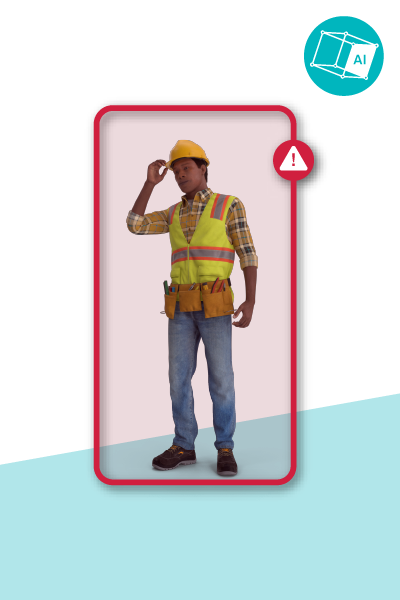
In the context of Artificial Intelligent detection, HFR stands for Human Form Recognition. It’s an advanced feature powered by artificial intelligence that allows a camera to:
- Detect people based on their shape and movement
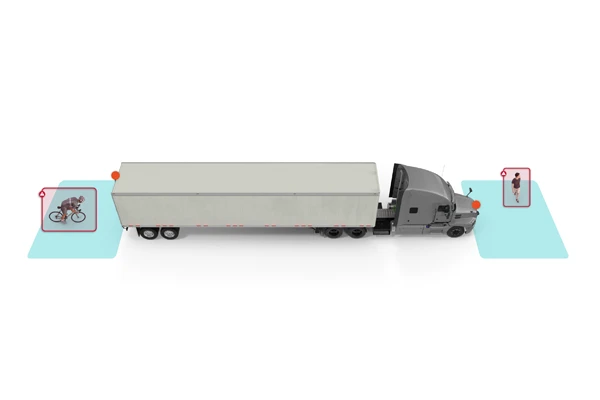
- Identify human forms such as pedestrians, cyclists and site workers
- Differentiate people from objects
What is HFR in vehicle safety?
In vehicle safety, especially with large vehicles like trucks, buses, and construction equipment, the biggest risk is vulnerable road users not being seen or detected in blind spots. Traditional sensors may trigger an alert for any object such as a tree or a bin, but Brigade’s HFR AI Cameras are different.
They only alert when a human is detected, which means:
- Fewer false alarms
- Faster, more confident driver decisions
- Increased safety for pedestrians, cyclists, and site workers
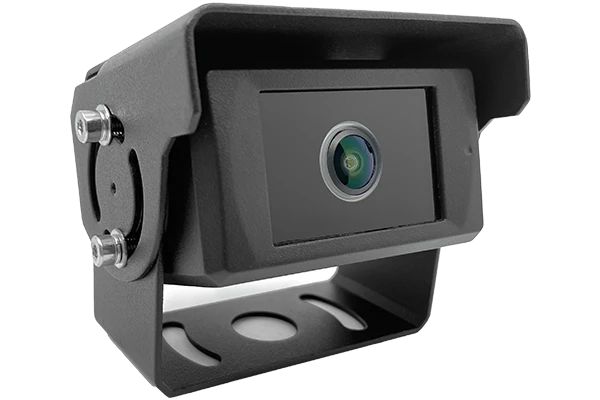
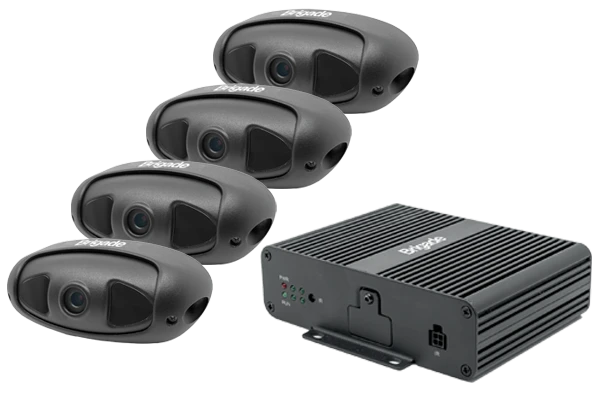
View Brigade HFR Cameras
HFR cameras detect and recognize the human form within a predefined detection zone using Artificial Intelligent technology.
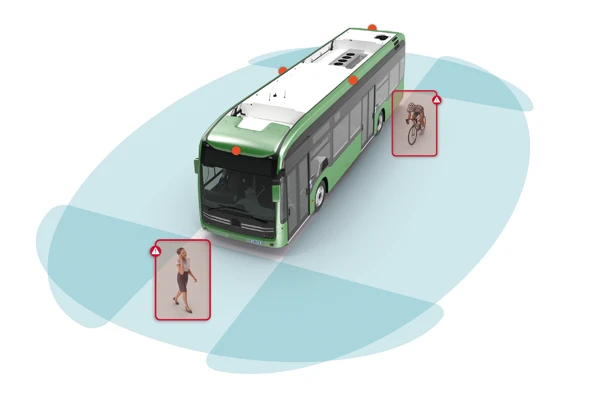
How do Brigade’s HFR Cameras Work?
Key features include:
- Real-time human detection
- High accuracy, even in low light or poor weather
- Alerts triggered only by humans, not static objects
- Ideal for urban driving, construction sites, and depots
Where Are HFR Cameras Used?
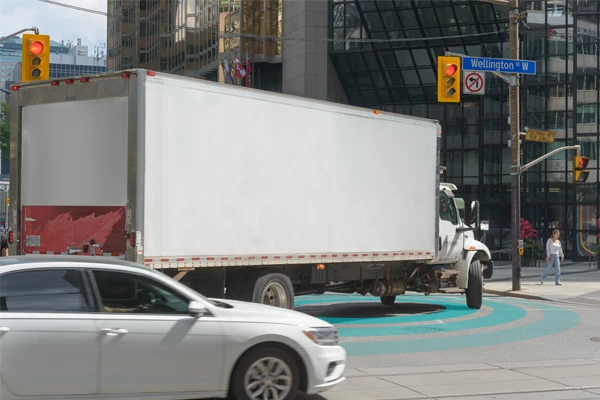
Commercial Vehicles
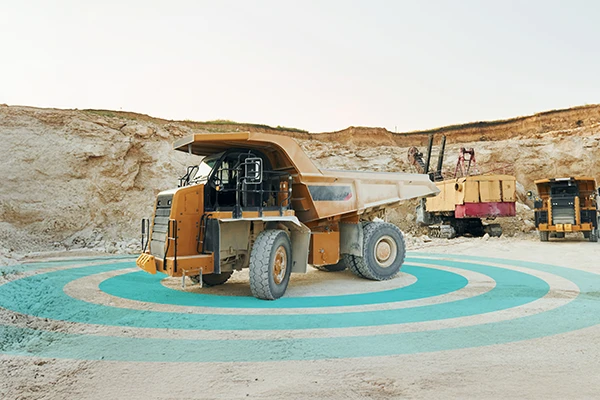
Construction & Plant Machinery
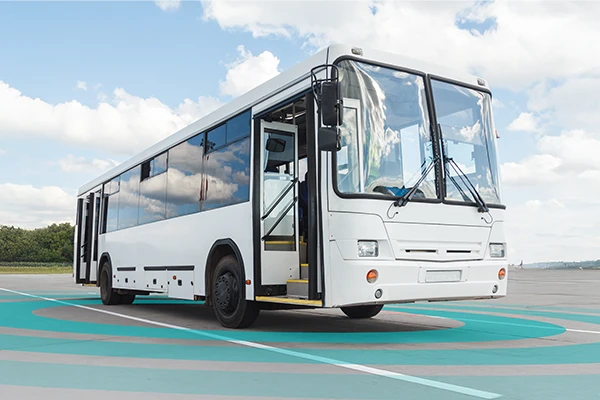
Buses and Coaches
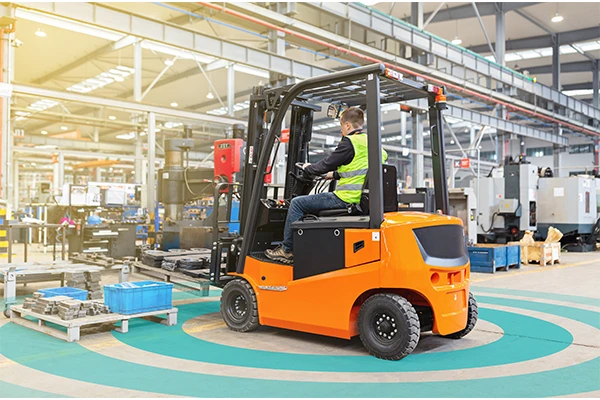
Warehousing and Logistic Sites
Anywhere that people and vehicles share the same space, HFR cameras provide an extra layer of intelligent protection
What Makes Brigade’s HFR Cameras Different?
To distinguish our AI cameras from standard AI cameras on the market, we use the term HFR – Human Form Recognition. Our HFR AI camera range provides front, rear and 360° detection.
Not all AI cameras are created equal. Brigade’s Human Form Recognition cameras are:
- Specially trained for real-world vehicle
- Designed to minimize false positives
- Built for durability, with weatherproof housings and industrial-grade components
- Supported by a global team with decades of safety expertise
Final thoughts
At Brigade, we believe safety should never be left to chance.
That’s why our HFR cameras focus on what really matters: protecting people