

What high-performing fleets need to know about managing risk?
Running a fleet means making hundreds of decisions every day. About vehicles. Drivers. Maintenance. Compliance. Incidents. The more clearly you can see what is happening across those areas, the easier those decisions become.
That is why more fleet operators are moving towards a connected approach to fleet safety. Instead of treating cameras, telematics, vehicle data and safety systems as separate tools, they are using information from across the fleet to build a clearer picture of performance.
The result? Better visibility. Earlier action. And more control over the things that keep vehicles moving.
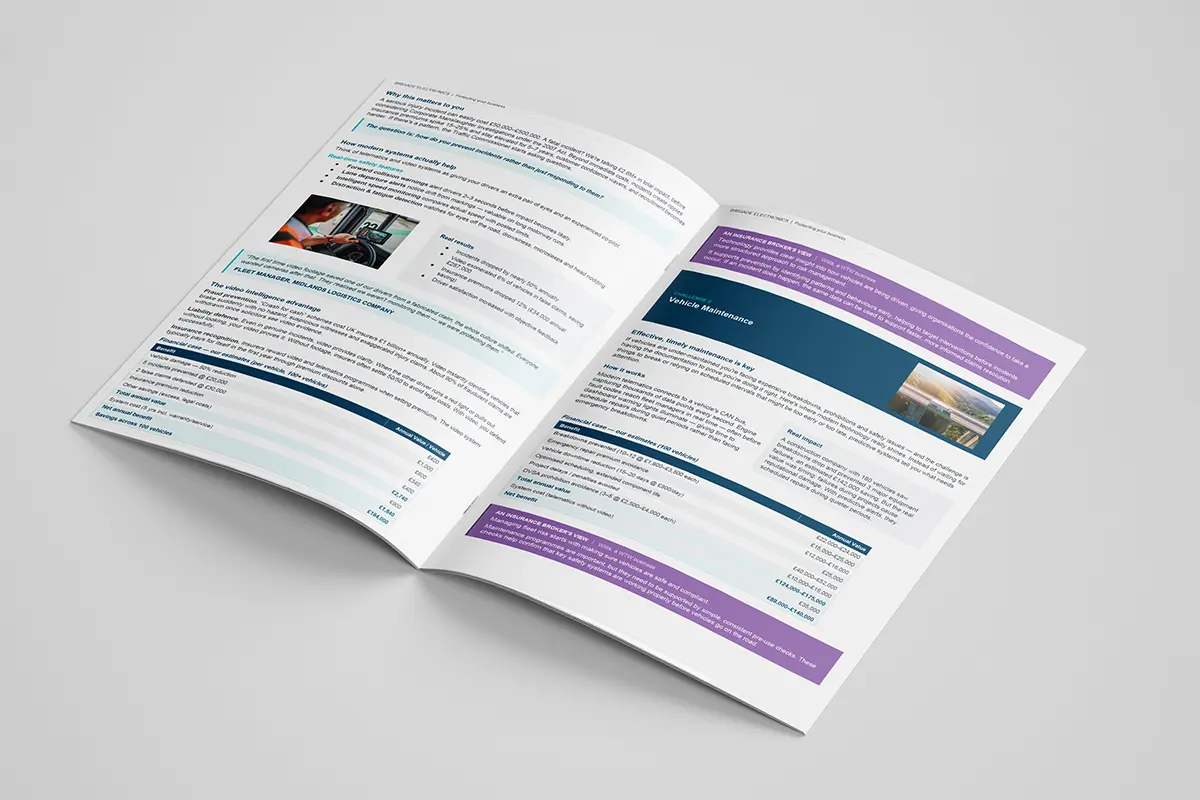
Our new white paper, “Protecting your business: What high-performing fleets know that others don’t”, explores this from two complementary perspectives. Brigade looks at how connected vehicle technology can give operators greater visibility and control, while transport risk specialists at Willis, a WTW business, provide an insurance broker’s perspective on how stronger data, processes and evidence can support effective risk management.
Together, we look at four areas where a more connected approach can make a measurable difference.

How can I get ahead of incidents?
Knowing that an incident happened is useful. Seeing the conditions that lead up to one is much more valuable. Vehicle cameras, sensors and telematics can help drivers respond to what is happening around them while giving fleet managers objective information about events on the road. And if an incident does occur, recorded data and video can help establish what actually happened. For operators, that means a shift from simply investigating incidents to learning from them, supporting drivers and making better-informed decisions across the fleet.
It can also provide a clearer picture of risk. As Willis explains in the white paper, technology can help organisations identify patterns and behaviours earlier, target interventions and support more informed claims resolution when incidents do happen.

How can I use maintenance data to make better decisions?

How can I give drivers useful feedback?

How can I make compliance easier to demonstrate?
The bigger opportunity: connect the picture
Each of these areas can deliver value on its own. The bigger opportunity comes when they start working together. Video explains an event. Telematics adds vehicle and journey data. Safety systems help drivers react in real time. Maintenance information gives fleet teams an earlier view of vehicle condition. Together, they provide something more useful than another stream of data – a clearer view of the fleet.
For operators managing hundreds of vehicles, simplicity matters too. The aim is not to add more technology for people to manage. It is to make the information they already need easier to access, understand and act on. That means thinking beyond individual products towards connected systems that work across different vehicles, support changing operational requirements and can grow with the fleet. And technology is only part of the picture. Installation, ongoing support, security and an understanding of commercial vehicle safety all determine how well a system works in the real world.
What is the real cost of fleet risk?
The white paper goes deeper into the numbers and the practical implications. Produced for operators managing fleets of 100 vehicles or more, Protecting your business examines four key challenges:
- Road traffic incident prevention
- Vehicle maintenance
- Driver behaviour
- Operator licence protection.
It brings together practical examples, estimated financial benefits and Brigade’s vehicle safety expertise, alongside independent perspectives from transport risk specialists at Willis, a WTW business.
The result is a practical look at how better information can help you manage risk, support your drivers, strengthen compliance and keep more of your fleet doing what it is there to do.
Download Protecting your business: What high-performing fleets know that others don’t to explore the findings and see what a more connected approach could mean for your fleet.
Receive a copy of our guide