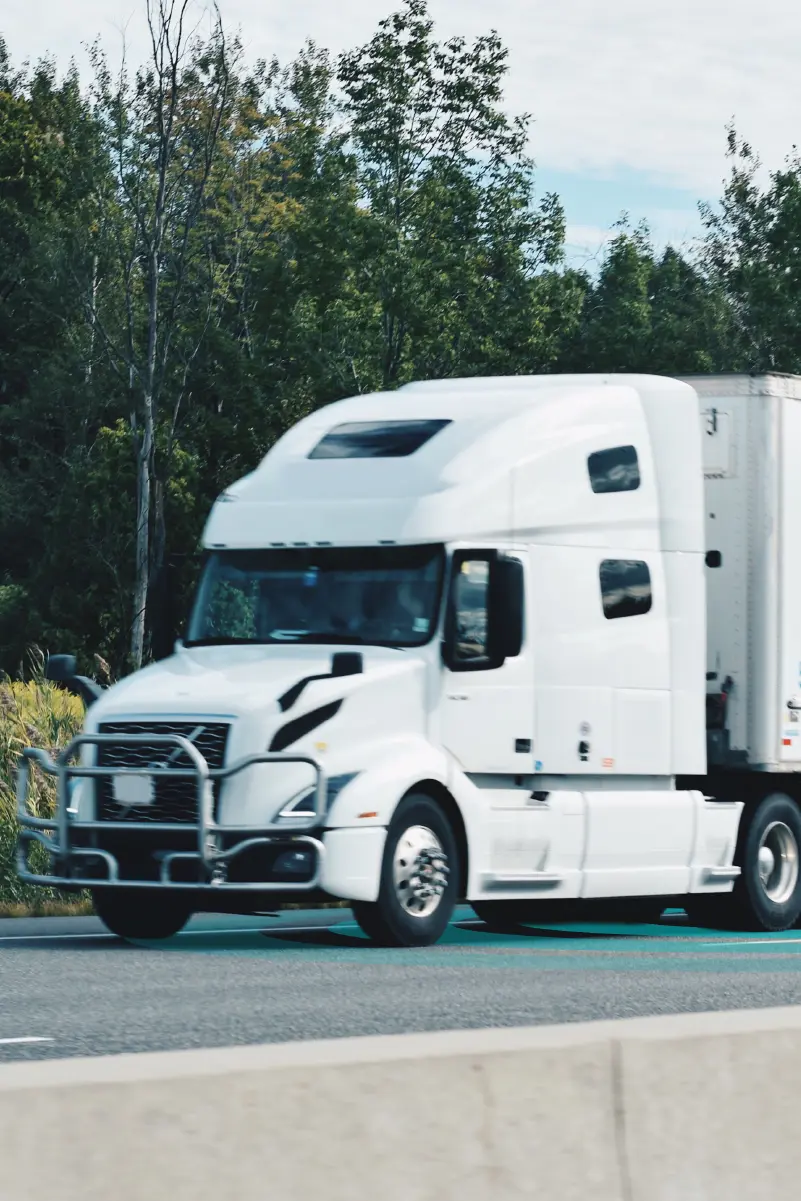

Bill M217, Dashboard Cameras in Commercial Vehicles Act
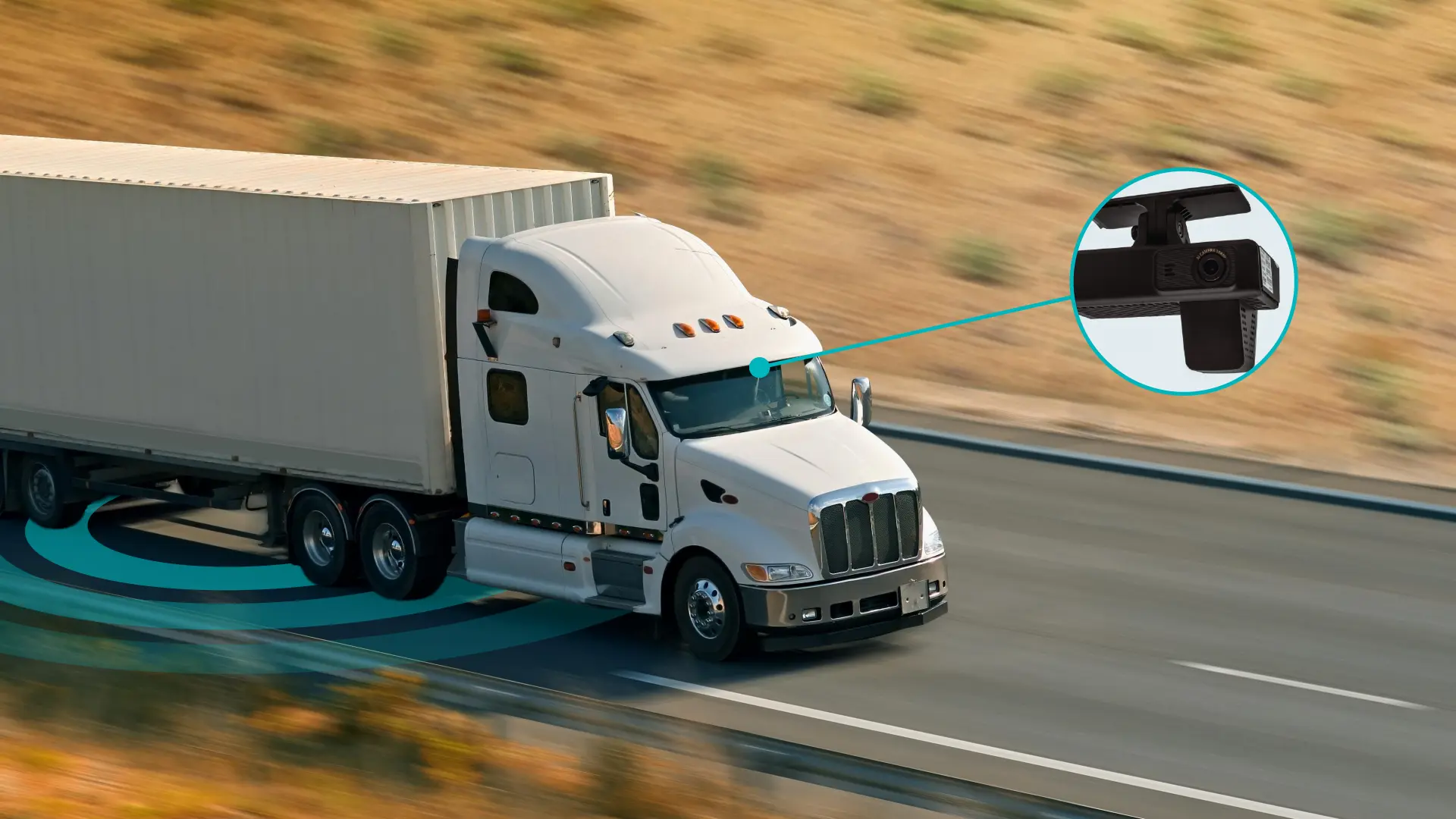
What is the Dashboard Cameras in Commercial Vehicles Act?
Who will the Act Apply to?
What will a Dashboard Camera need to do?
How to Prepare your Fleet







Brigade Commercial Vehicle Dashcams
Brigade offers dashcam options for different fleet requirements, from straightforward forward-facing recording to connected systems that combine road-facing and driver-facing video with safety alerts. Our team can review your vehicle types, operational needs and preferred level of connectivity to help you identify an appropriate solution.
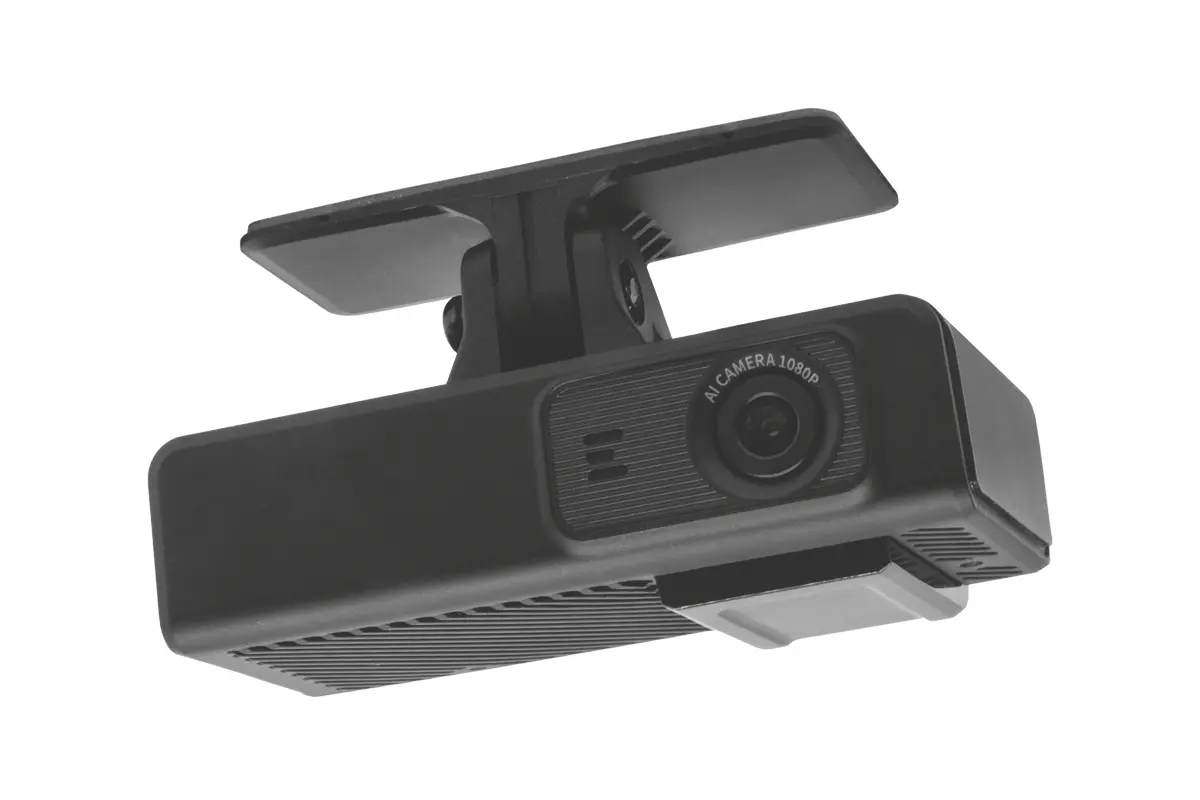
Single-Lens LCV Dashcam
Forward-facing recording for fleets that need a clear view of the road ahead. The C6 Lite 2.0-S records in 1920 x 1080p at 25 frames per second and includes audible alerts for supported lane-departure, headway-monitoring and forward-collision events.
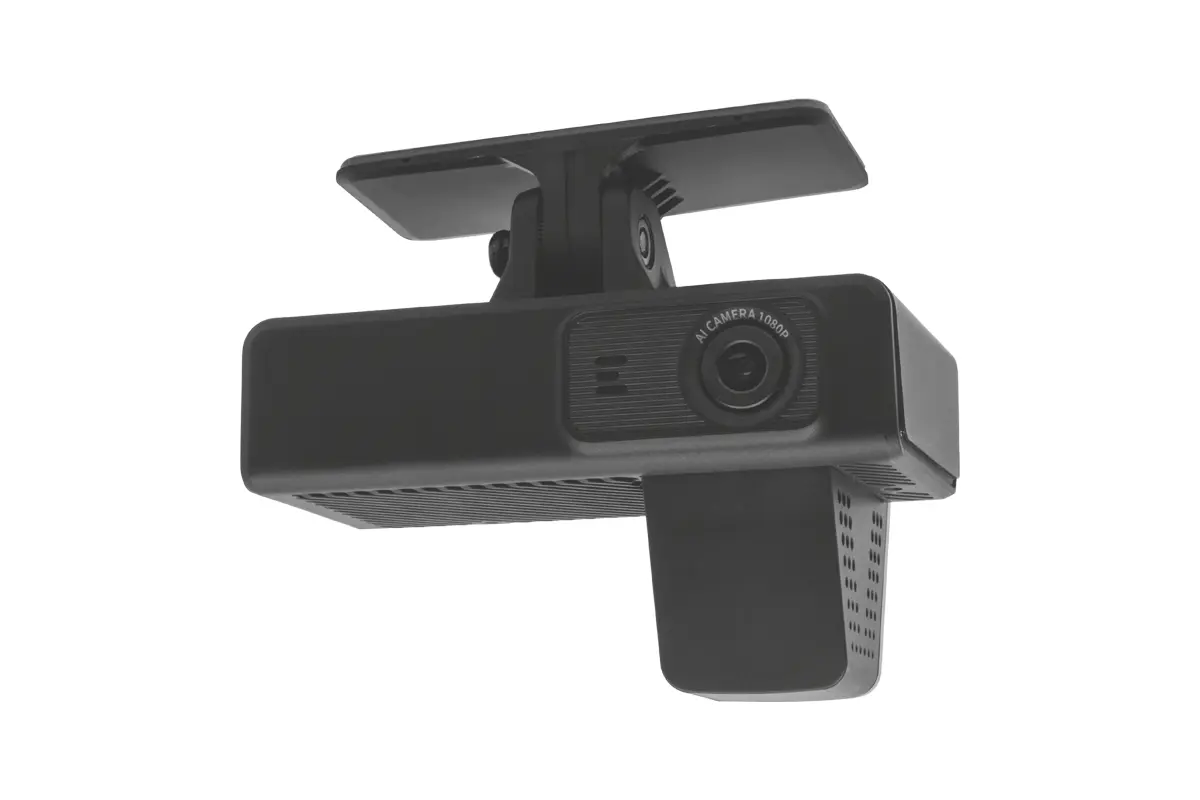
Dual-Lens LCV Dashcam
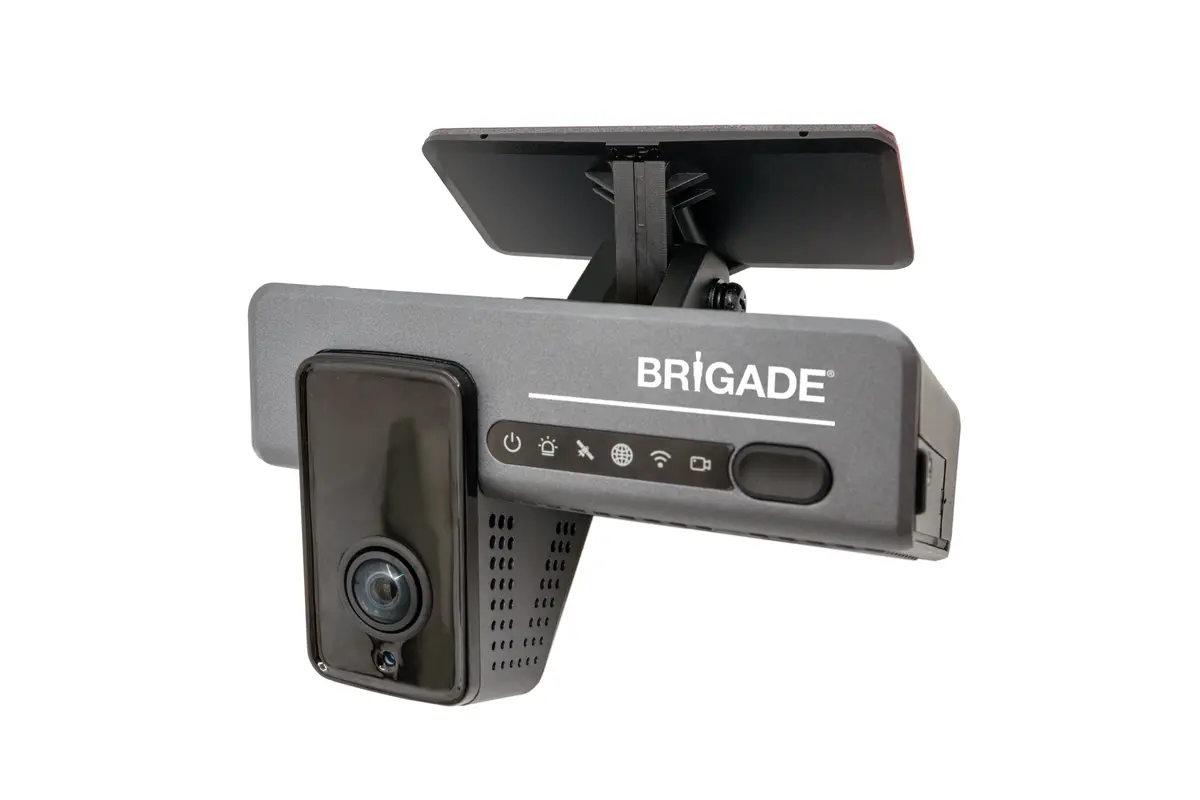
HGV Dashcam
Confirm the Right Product and Configuration
Prepare for Bill M217
Do not wait until the commencement date to understand your fleet’s camera requirements. Speak to Brigade about your vehicles, current recording systems and the steps needed to prepare for the Dashboard Cameras in Commercial Vehicles Act.
Go Beyond Front-Facing Recording
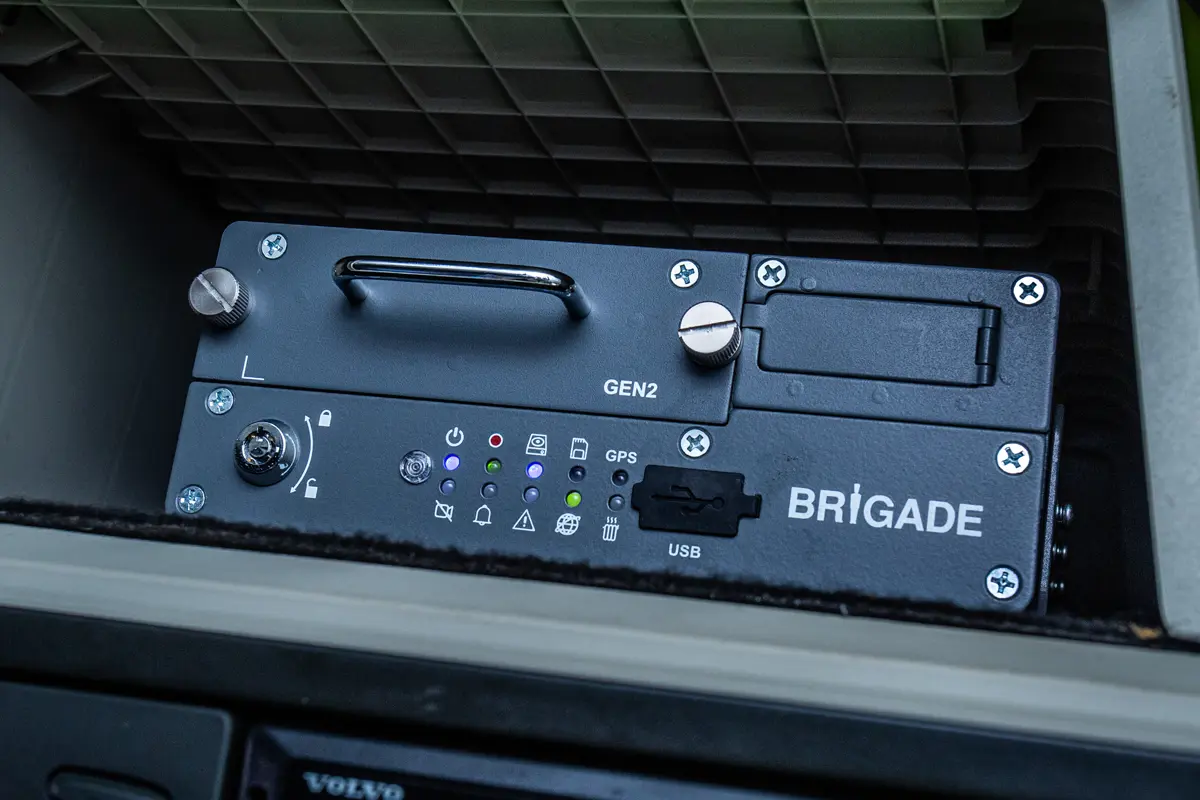
Mobile Digital Recording
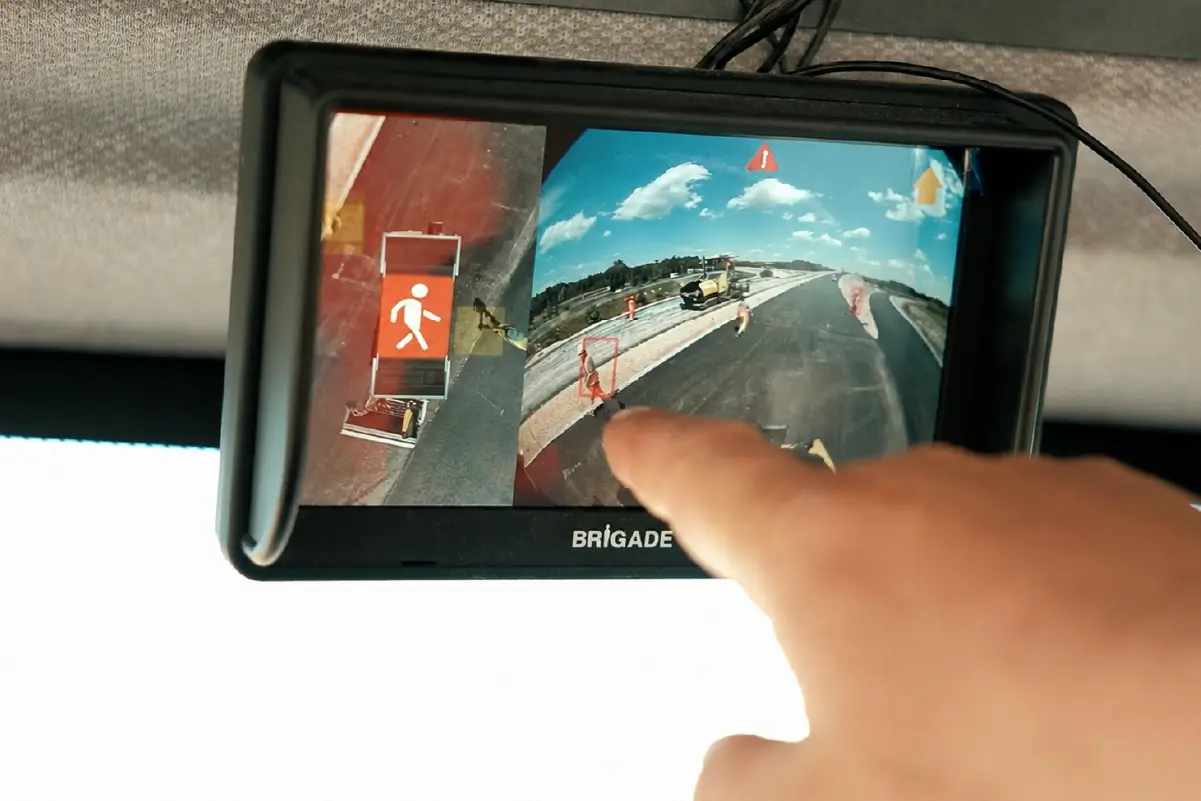
A Brigade Mobile Digital Recorder can capture watermarked footage and vehicle data from multiple camera channels. Available connectivity can also support remote access to footage and data, helping operators investigate events across the vehicle rather than relying on a single forward view.
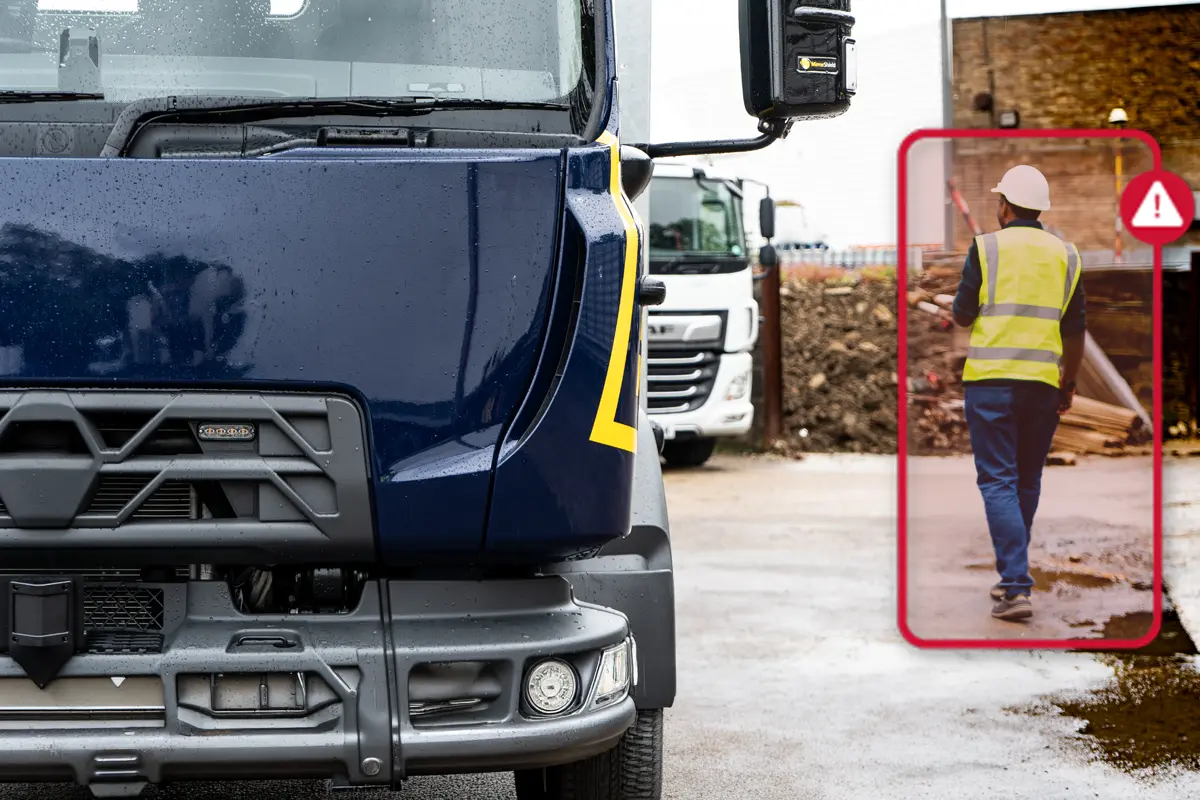
Camera Monitor Systems
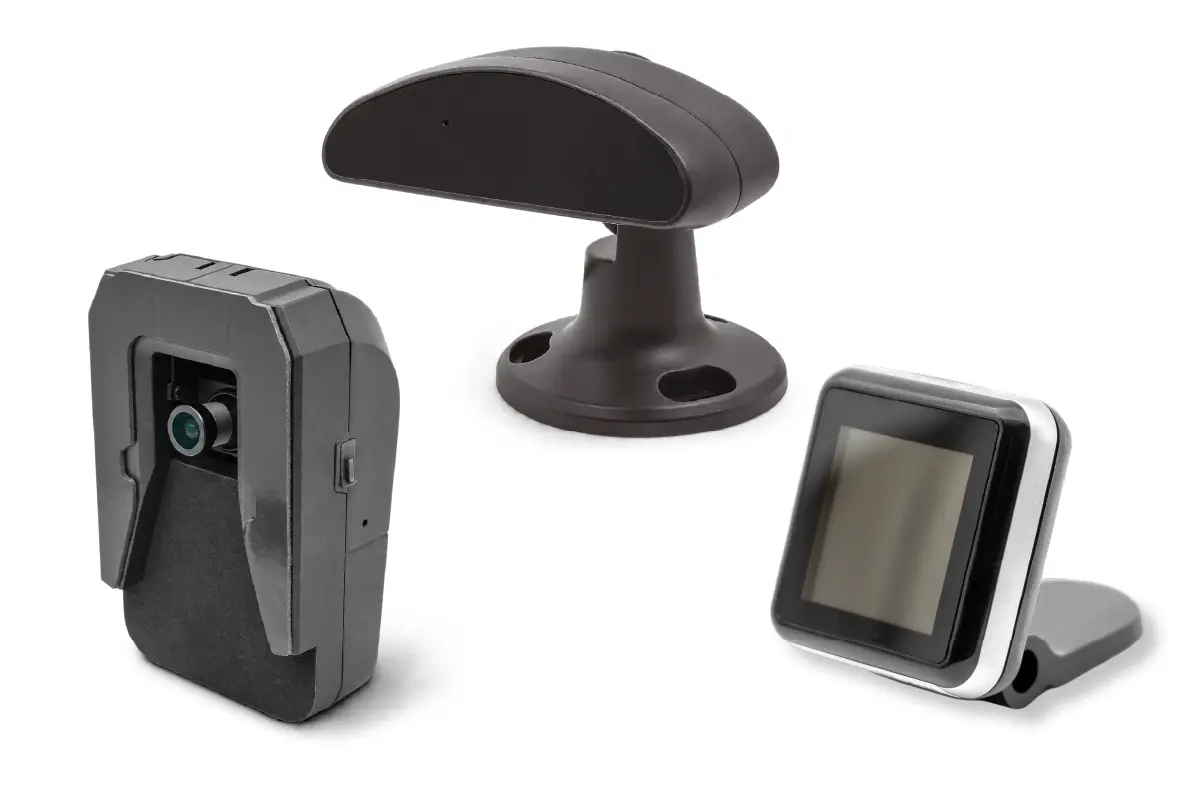
Driver Safety Systems
Forward-facing AI cameras can provide audible alerts for supported risks such as potential forward collisions, unsafe following distances and lane departures. These alerts are designed to support driver awareness and form part of a wider fleet-safety approach.
Why Choose Brigade?

Commercial Vehicle Safety Experience

Solutions for Different Fleet Needs
Connected Fleet Visibility
Support from Selection to Installation
Frequently Asked Questions
Is Bill M217 law in British Columbia?
Bill M217 received Royal Assent on 28 May 2026 and became the Dashboard Cameras in Commercial Vehicles Act. However, sections 1 to 5 are not yet in force. The Act will come into force on a date set by regulation of the Lieutenant Governor in Council.
Which vehicles will need a dashboard camera?
The Act applies to commercial vehicles with a gross vehicle weight rating above 11,793 kg. Operators should check each vehicle’s stated GVWR and confirm how the legislation applies to their fleet.
What will the required dashboard camera need to record?
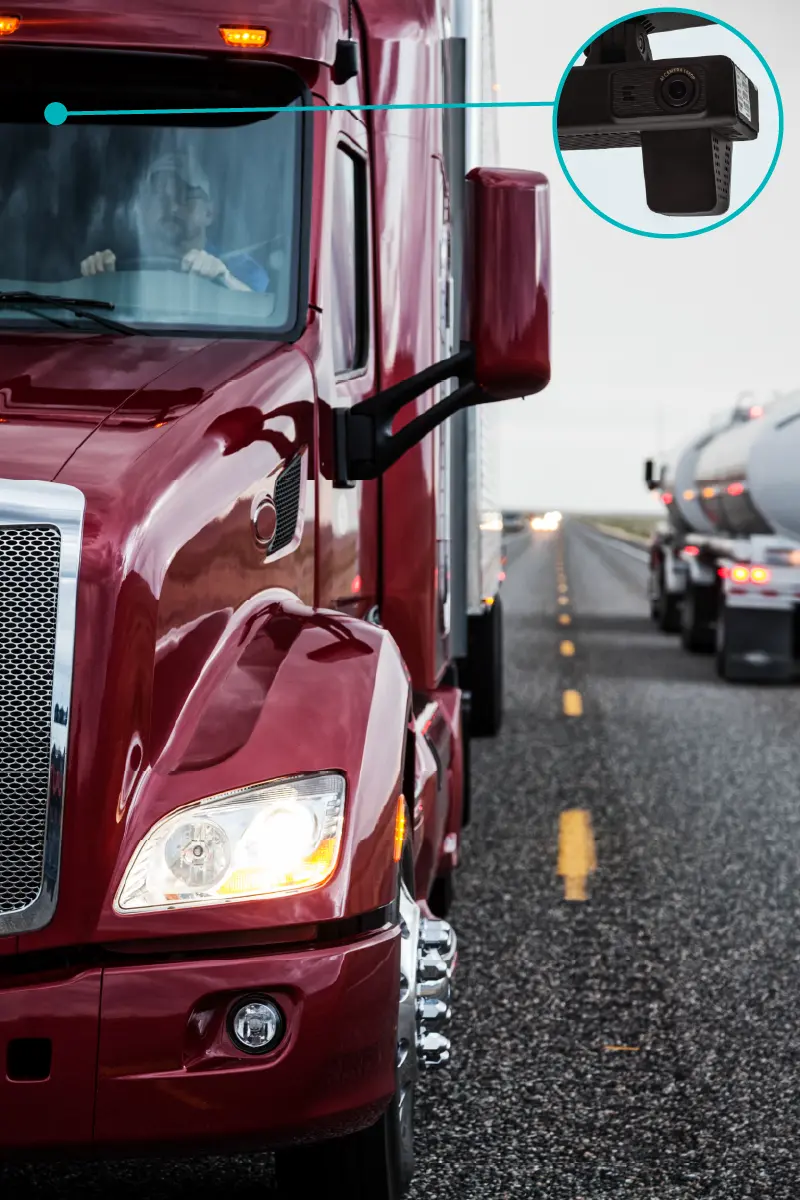
It must continuously record the road ahead through the front windscreen whenever the vehicle is operating. The driver must ensure the camera is recording and is not obstructed.
Does Bill M217 require 1080p video and night vision?
Yes. The Act specifies a minimum video resolution of 1080p, night-vision capability, at least 72 hours of recording retention and local storage using the manufacturer’s default settings.
Is a driver-facing camera required?
The Act’s dashboard camera requirement is based on recording the road ahead through the front windscreen. It does not state that a driver-facing camera is required. A dual-facing camera may nevertheless support selected driver-safety, incident-review and coaching objectives, subject to appropriate privacy controls.
Are Brigade dashcams compliant with Bill M217?
Compliance depends on the selected model, storage, settings, installation and the regulations in force at the relevant time. Brigade can help assess the intended application, but the exact configuration should be checked against the final legal requirements before a compliance claim is made.
How should dashcam footage be handled?
The Act states that recordings must be collected, used, disclosed, retained and destroyed in accordance with applicable privacy and security requirements, including British Columbia’s Personal Information Protection Act. Operators should establish documented access, retention and deletion procedures and obtain appropriate advice where necessary.
When should fleet operators start preparing?
Operators can begin by identifying affected vehicles, reviewing existing equipment and planning policies now. Procurement or compliance decisions should be checked against the commencement regulation and any additional official guidance available at the time.
Next steps for your business
Send us a message