
Brigade Electronics

Bill M217, Dashboard Cameras in Commercial Vehicles Act
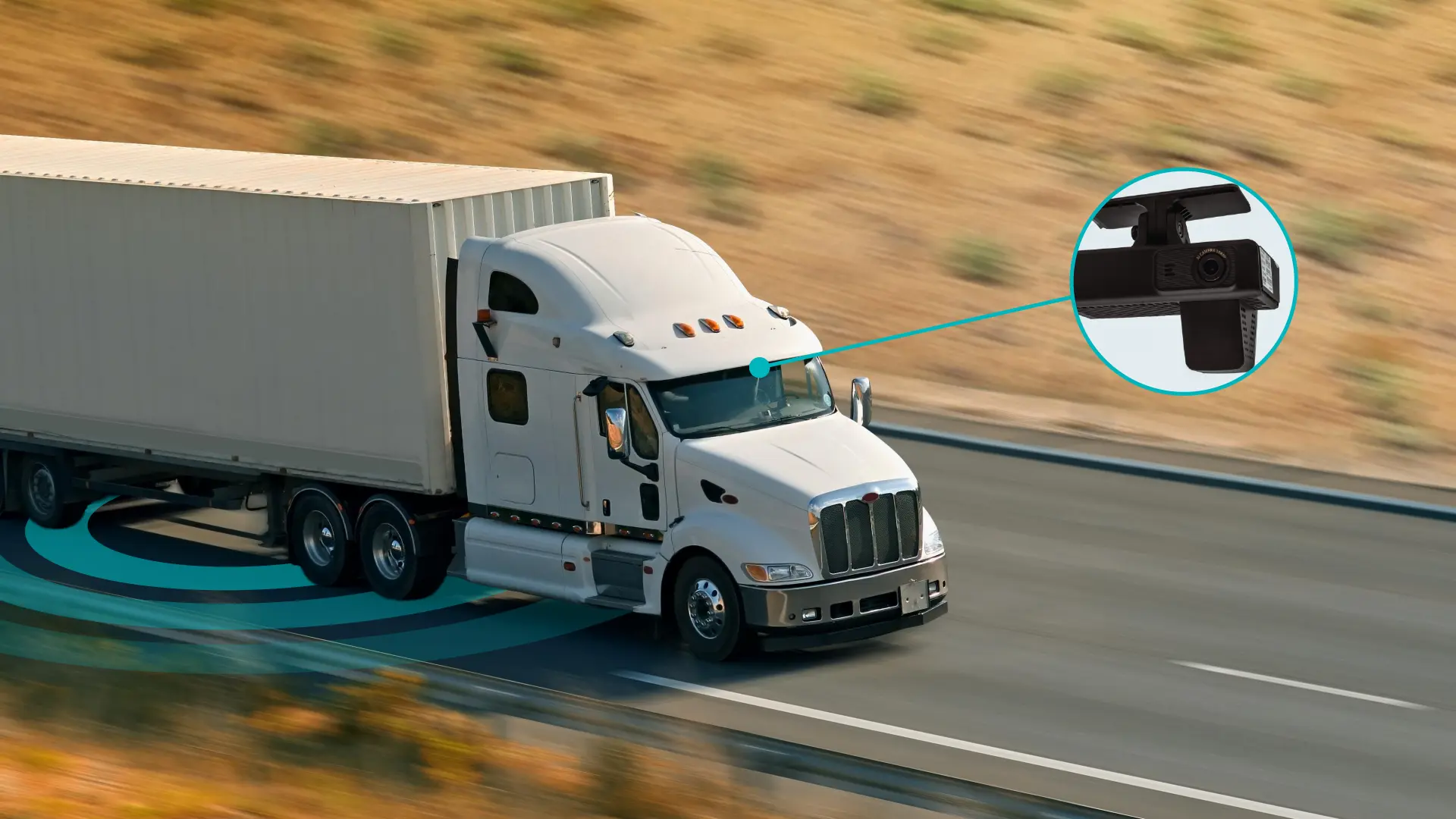
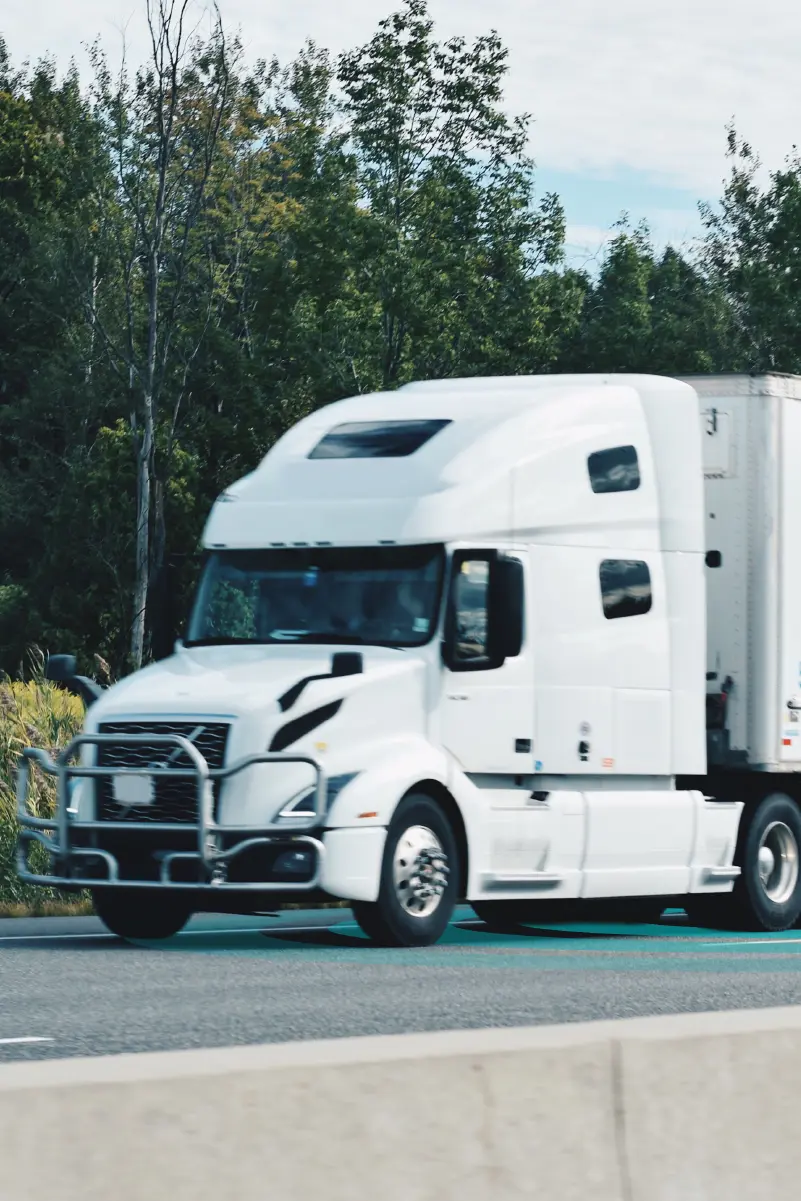
Bill M217 introduces dashboard camera requirements for heavy commercial vehicles in British Columbia, helping operators understand the Act, review its equipment criteria and explore Brigade dashcam solutions for their fleet.
Speak to our teamView Solution

What is the Dashboard Cameras in Commercial Vehicles Act?

The Dashboard Cameras in Commercial Vehicles Act is British Columbia legislation created through Bill M217. Once brought into force, it will require owners or lessees of specified commercial vehicles to install and maintain a dashboard camera. Drivers will need to ensure that the camera records while the vehicle is operating and that its view is not obstructed.
The legislation is intended to create a consistent record of the road ahead. For fleet operators, preparing early can make it easier to assess vehicles, storage needs, installation requirements and internal processes before the commencement date is announced.

Who will the Act Apply to?

The Act defines an affected commercial vehicle as a commercial vehicle with a gross vehicle weight rating above 11,793 kg. Gross vehicle weight rating, commonly shortened to GVWR, is the maximum operating weight specified for the vehicle.
Operators should confirm the GVWR of each vehicle in their fleet and seek appropriate legal or regulatory advice where vehicle classification is uncertain.

What will a Dashboard Camera need to do?
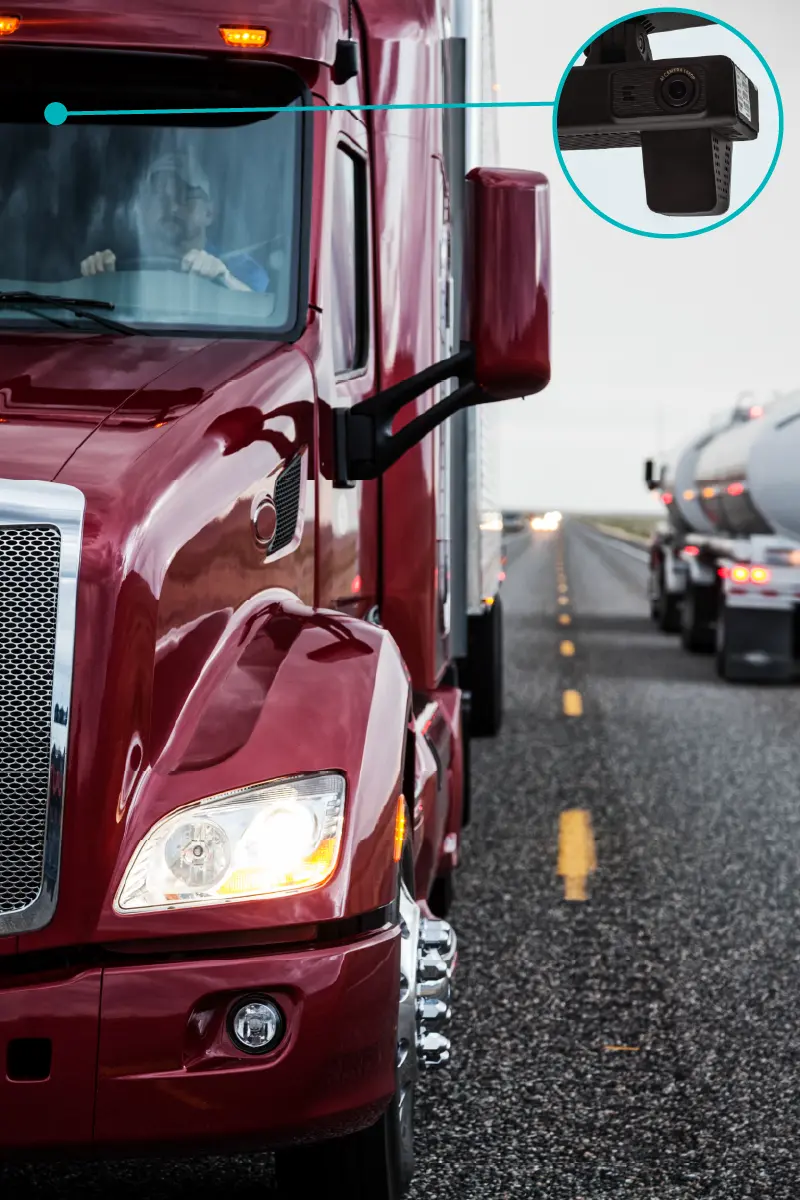
Under the Act, a dashboard camera will need to continuously record the road ahead through the front windscreen whenever the commercial vehicle is operating. The legislation also sets the following equipment and recording criteria:
^
Retain at least 72 hours of recordings
^
Record high-definition video at a minimum resolution of 1080p
^
Provide night-vision capability
^
Record using the manufacturer's default settings
^
Store recordings locally on the device
^
Remain active and unobstructed while the vehicle is operating
Recordings must also be collected, used, disclosed, retained and destroyed in accordance with applicable privacy and security requirements, including British Columbia’s Personal Information Protection Act.
Brigade Backeye®360 camera mounted onto a road sweeper

How to Prepare your Fleet

Identify vehicles with a GVWR above 11,793 kg.
Review current dashcams, recording settings and available local storage.
Confirm that the forward road view can be recorded clearly through the front windscreen.
Assess recording duration, 1080p resolution and low-light or night-vision capability.
Plan installation, inspection and maintenance responsibilities.
Review privacy, footage-access, retention and deletion procedures.
Confirm the final commencement date and any supporting regulations before implementation.

Brigade Commercial Vehicle Dashcams

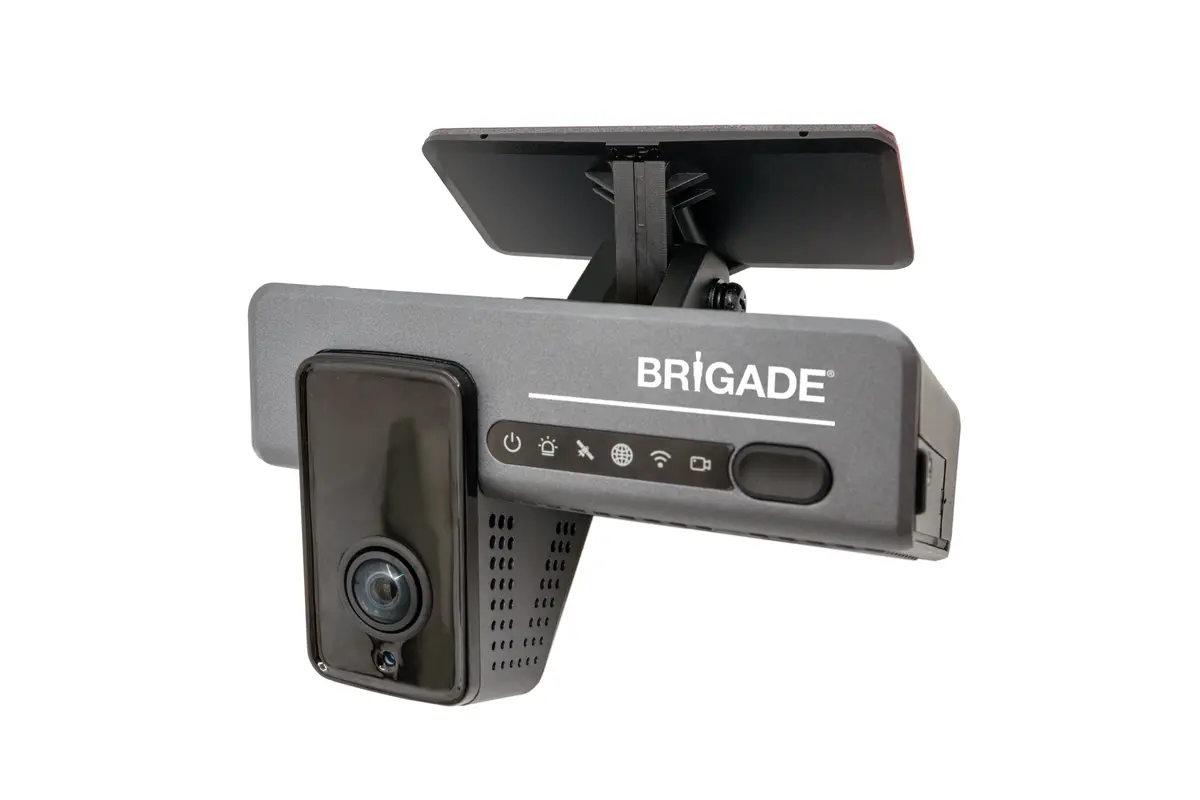
Brigade offers dashcam options for different fleet requirements, from straightforward forward-facing recording to connected systems that combine road-facing and driver-facing video with safety alerts. Our team can review your vehicle types, operational needs and preferred level of connectivity to help you identify an appropriate solution.
Brigade VBV-7100C reversing camera

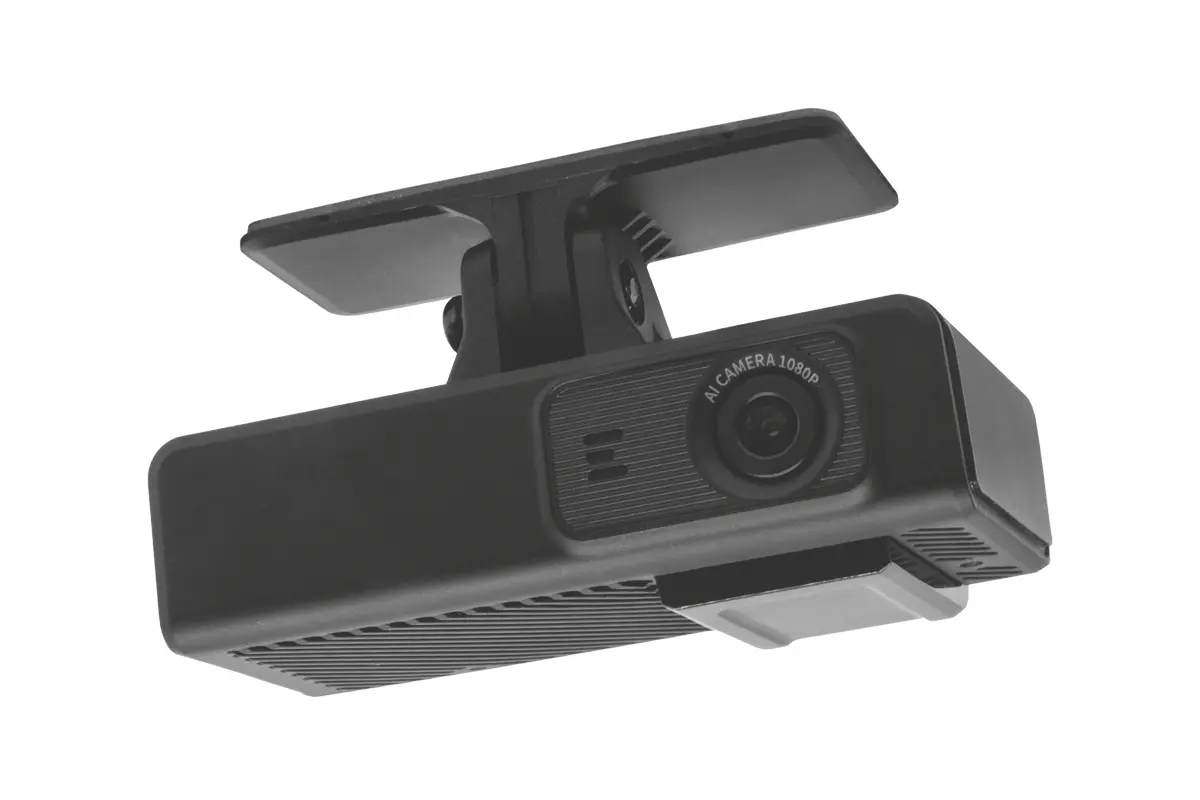
Single-Lens LCV Dashcam

Forward-facing recording for fleets that need a clear view of the road ahead. The C6 Lite 2.0-S records in 1920 x 1080p at 25 frames per second and includes audible alerts for supported lane-departure, headway-monitoring and forward-collision events.
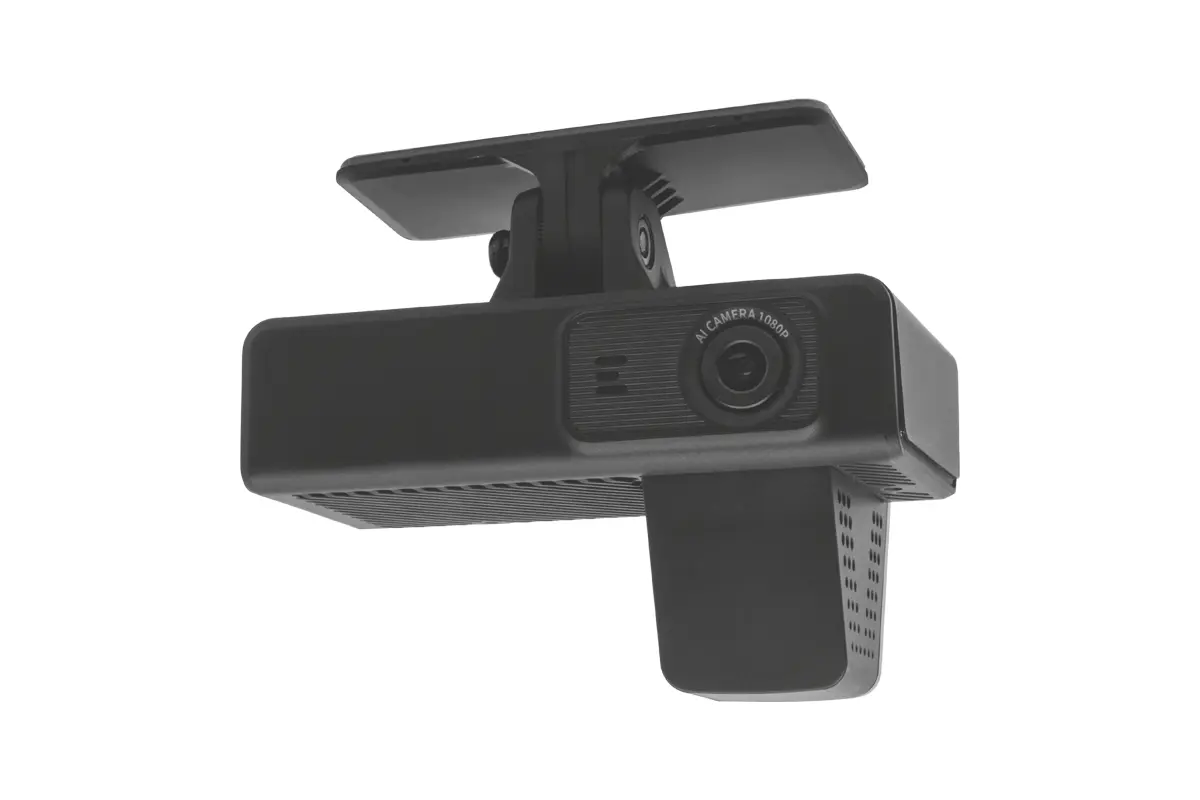
Brigade VBV-3100C side camera

Dual-Lens LCV Dashcam

Road-facing and driver-facing cameras provide a broader view of events both outside and inside the cab. The C6 Lite 2.0 records in 1920 x 1080p at 25 frames per second and can provide alerts for supported road risks and selected behaviours, including mobile phone use, smoking and driver inattention.
Brigade AHD Shutter Camera

HGV Dashcam

Brigade’s AI Connected Dashcam combines forward-facing and driver-facing cameras with built-in driver-assistance and driver-safety alerts. Wi-Fi, 4G and GPS connectivity can provide access to event alerts, video clips, live streaming and historical footage through Brigade Telematics, subject to the selected subscription package.

Confirm the Right Product and Configuration

The Act sets specific requirements for recording duration, resolution, night vision, default settings and local storage. Product suitability depends on the exact model, storage configuration, installation and any regulations made before commencement. Speak to Brigade before describing a product or installation as meeting the Dashboard Cameras in Commercial Vehicles Act.

Prepare for Bill M217

Do not wait until the commencement date to understand your fleet’s camera requirements. Speak to Brigade about your vehicles, current recording systems and the steps needed to prepare for the Dashboard Cameras in Commercial Vehicles Act.

Go Beyond Front-Facing Recording
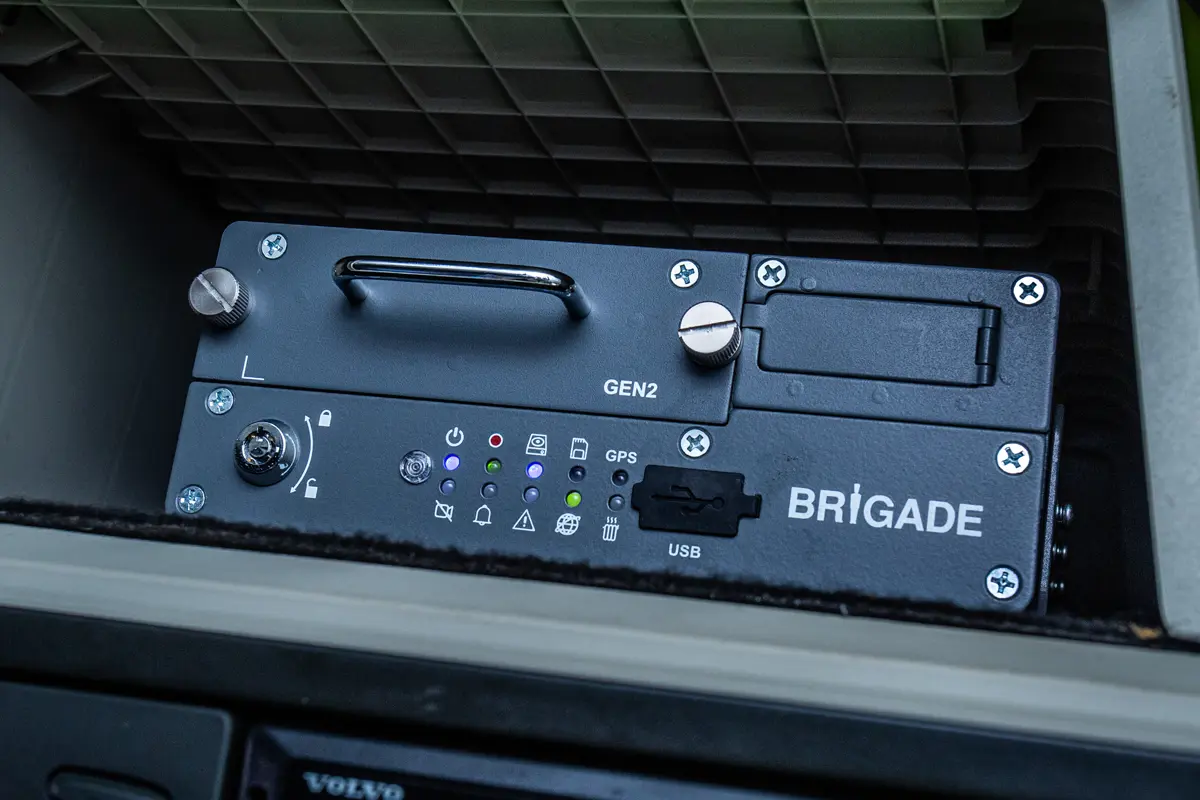
A dashboard camera records the road ahead, but some fleets need a wider view of vehicle activity. Brigade can also support more comprehensive vehicle visibility through mobile digital recording, additional cameras, in-cab monitors and driver-safety technology.
Brigade MDR-644 8 channel DVR fitted into the cab of truck

Mobile Digital Recording

A Brigade Mobile Digital Recorder can capture watermarked footage and vehicle data from multiple camera channels. Available connectivity can also support remote access to footage and data, helping operators investigate events across the vehicle rather than relying on a single forward view.
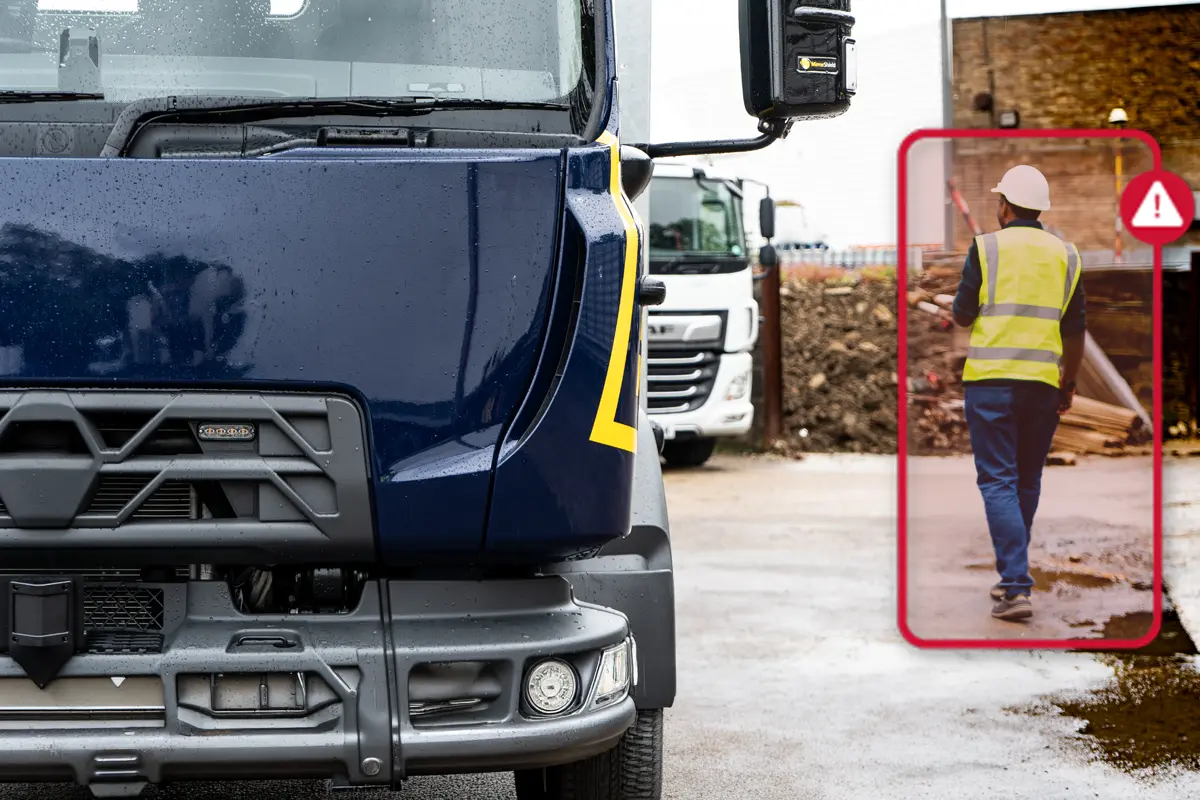
A worker being detected by an AI side camera as they walk in the truck's blind spot.

Camera Monitor Systems

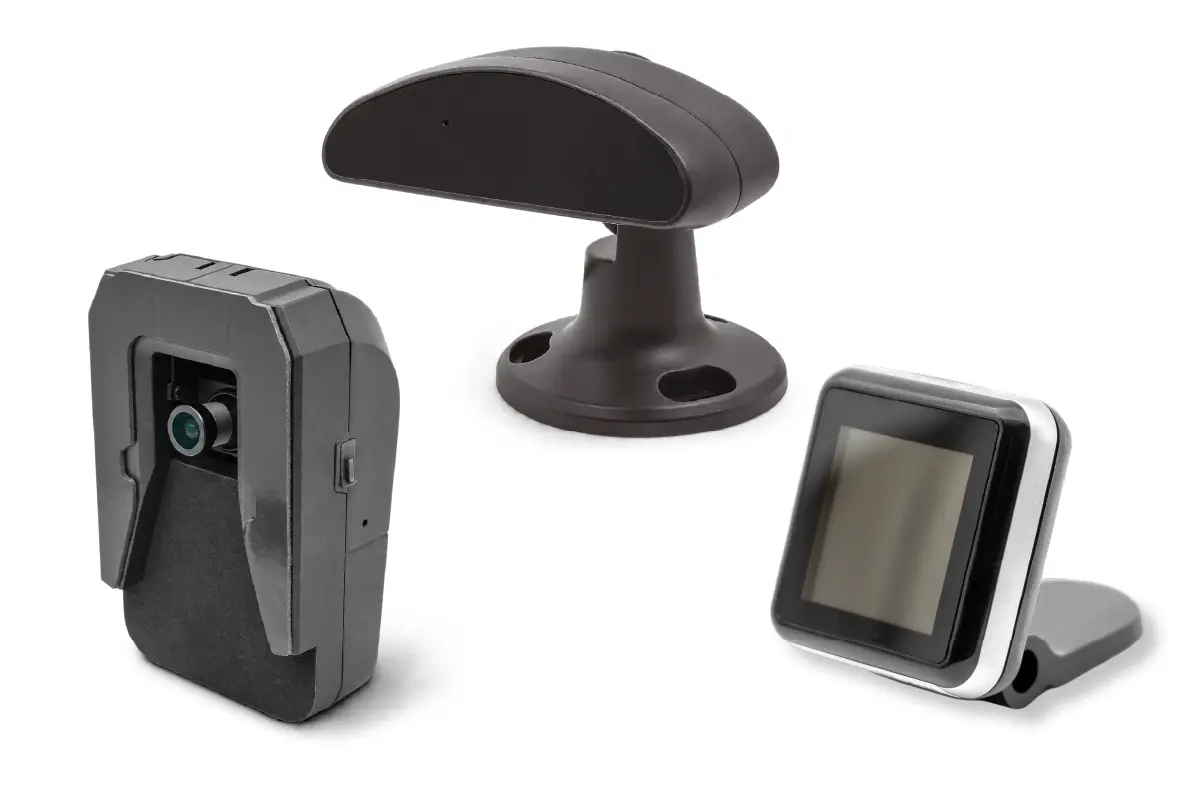
High-definition cameras and in-cab monitors can improve the driver’s view around the vehicle during everyday manoeuvres. These systems complement recording technology by supporting visibility in areas that mirrors alone may not cover.
Brigade Driver Alert System range

Driver Safety Systems

Forward-facing AI cameras can provide audible alerts for supported risks such as potential forward collisions, unsafe following distances and lane departures. These alerts are designed to support driver awareness and form part of a wider fleet-safety approach.

Why Choose Brigade?

50th icon

Commercial Vehicle Safety Experience

For more than 50 years, Brigade Electronics has developed safety technology for commercial vehicles and mobile machinery. Our product range covers recording, visibility, detection and driver-warning solutions for demanding fleet environments.
Camera icon

Solutions for Different Fleet Needs

Choose from forward-facing recording, dual-facing video, connected dashcams and multi-camera recording systems. Brigade specialists can help you compare the options against your vehicles and operational priorities.
Camera icon

Connected Fleet Visibility

Selected products can connect to Brigade Telematics, allowing authorised fleet teams to receive event notifications, review video remotely and access footage without waiting for the vehicle to return to base.
Camera icon

Support from Selection to Installation
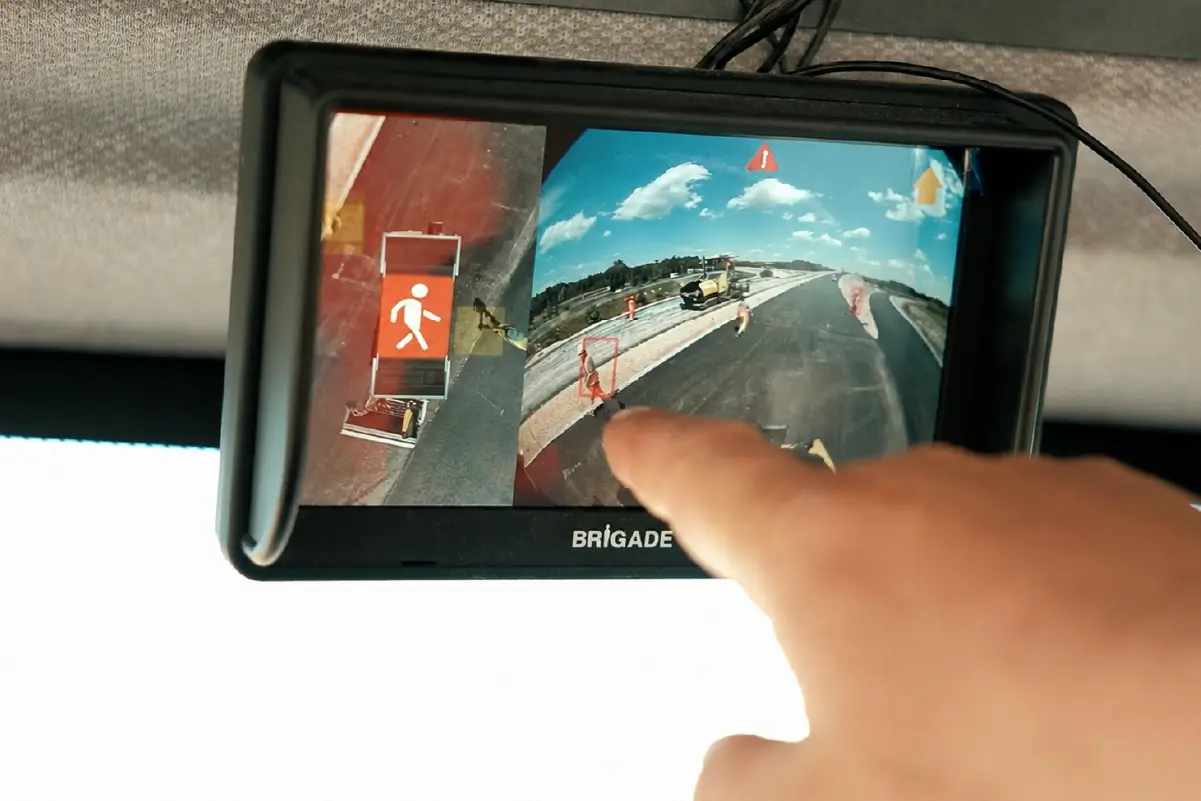
Brigade can help operators review the intended application, choose suitable equipment and plan installation through its Canadian team and installation network.
A driver pointing to a person being detected on a Brigade monitor inside the cabin of a road roller.

Frequently Asked Questions

Is Bill M217 law in British Columbia?

Bill M217 received Royal Assent on 28 May 2026 and became the Dashboard Cameras in Commercial Vehicles Act. However, sections 1 to 5 are not yet in force. The Act will come into force on a date set by regulation of the Lieutenant Governor in Council.

Which vehicles will need a dashboard camera?

The Act applies to commercial vehicles with a gross vehicle weight rating above 11,793 kg. Operators should check each vehicle’s stated GVWR and confirm how the legislation applies to their fleet.

What will the required dashboard camera need to record?

It must continuously record the road ahead through the front windscreen whenever the vehicle is operating. The driver must ensure the camera is recording and is not obstructed.

Does Bill M217 require 1080p video and night vision?

Yes. The Act specifies a minimum video resolution of 1080p, night-vision capability, at least 72 hours of recording retention and local storage using the manufacturer’s default settings.

Is a driver-facing camera required?

The Act’s dashboard camera requirement is based on recording the road ahead through the front windscreen. It does not state that a driver-facing camera is required. A dual-facing camera may nevertheless support selected driver-safety, incident-review and coaching objectives, subject to appropriate privacy controls.

Are Brigade dashcams compliant with Bill M217?

Compliance depends on the selected model, storage, settings, installation and the regulations in force at the relevant time. Brigade can help assess the intended application, but the exact configuration should be checked against the final legal requirements before a compliance claim is made.

How should dashcam footage be handled?

The Act states that recordings must be collected, used, disclosed, retained and destroyed in accordance with applicable privacy and security requirements, including British Columbia’s Personal Information Protection Act. Operators should establish documented access, retention and deletion procedures and obtain appropriate advice where necessary.

When should fleet operators start preparing?

Operators can begin by identifying affected vehicles, reviewing existing equipment and planning policies now. Procurement or compliance decisions should be checked against the commencement regulation and any additional official guidance available at the time.

Next steps for your business

If your fleet operates in Quebec, it’s important to prepare for Bill M217. Ensuring your vehicles meet the new requirements will help you remain compliant, protect vulnerable road users and maintain safe, efficient operations as the legislation comes into effect.

Send us a message