

Legislation

Direct Vision Standard
The Direct Vision Standard (DVS) is the first legislation of its kind. Since October 26 2020, ALL goods vehicles over 12 tonnes require a permit to drive into Greater London, including vehicles from outside of the UK. Starting in October 2024, it will be known as the “Progressive Safe System” (PSS). This transition is part of the broader effort to enhance safety standards.

Progressive Safe System (DVS 2)
The Progressive Safe System demands technology that can predict collisions based on the trajectories of the vehicle and the vulnerable road user (VRU). This prediction is crucial in determining if a collision is imminent. Furthermore, the system includes a specified alarm strategy designed to alert the driver to the severity of the situation.

General Safety Regulation (GSR)
The General Safety Regulation (GSR) for trucks is a set of safety standards that applies to heavy-duty trucks in the European Union (EU). The regulation sets out a range of requirements that aim to improve the safety of all vehicles on the road by mandating the use of advanced safety technologies and improving the design of the truck cab.
Vision Zero

FORS
CLOCS
Brigade offers expert advice and CLOCS approved equipment to help you to become compliant with all specifications.

IP Ratings Explained
An IP rating or Ingress Protection rating is a system formed by the International Electrotechnical Commission (IEC) to define levels of sealing effectives of electrical enclosures against foreign bodies. To put this simply, an IP rating will indicate how waterproof and dustproof an electrical product is.

R46
UN ECE Regulation No 46 (R46) covers devices for indirect vision and their installation by applying a test procedure to devices to establish whether all mandatory and optional HGV mirror classes allow the driver to view a specific minimum field of vision requirement. Only camera monitor systems with UN ECE Regulation 46 approval can be installed in place of a compulsory mirror.

Highway Code Hierarchy
The Highway Code are rules that include drivers being told they must not cut across cyclists going straight ahead, turning into a junction, changing direction or changing lane – making the requirement for vehicle cameras, sensors and alerts on lorries and HGVs to eliminate blind spots and prevent incidents even more of a priority.

Electric Vehicle Regulation
From September 2021: All new electric and hybrid vehicle models released before 2019 that can operate without an internal combustion running must be fitted with an Acoustic Vehicle Alerting System.
Vision Zero
IP Ratings Explained
An IP rating or Ingress Protection rating is a system formed by the International Electrotechnical Commission (IEC) to define levels of sealing effectives of electrical enclosures against foreign bodies. To put this simply, an IP rating will indicate how waterproof and dustproof an electrical product is.
R46
UN ECE Regulation No 46 (R46) covers devices for indirect vision and their installation by applying a test procedure to devices to establish whether all mandatory and optional HGV mirror classes allow the driver to view a specific minimum field of vision requirement. Only camera monitor systems with UN ECE Regulation 46 approval can be installed in place of a compulsory mirror.
Vision Zero
IP Ratings Explained
An IP rating or Ingress Protection rating is a system formed by the International Electrotechnical Commission (IEC) to define levels of sealing effectives of electrical enclosures against foreign bodies. To put this simply, an IP rating will indicate how waterproof and dustproof an electrical product is.
R46
UN ECE Regulation No 46 (R46) covers devices for indirect vision and their installation by applying a test procedure to devices to establish whether all mandatory and optional HGV mirror classes allow the driver to view a specific minimum field of vision requirement. Only camera monitor systems with UN ECE Regulation 46 approval can be installed in place of a compulsory mirror.
DVS Quebec
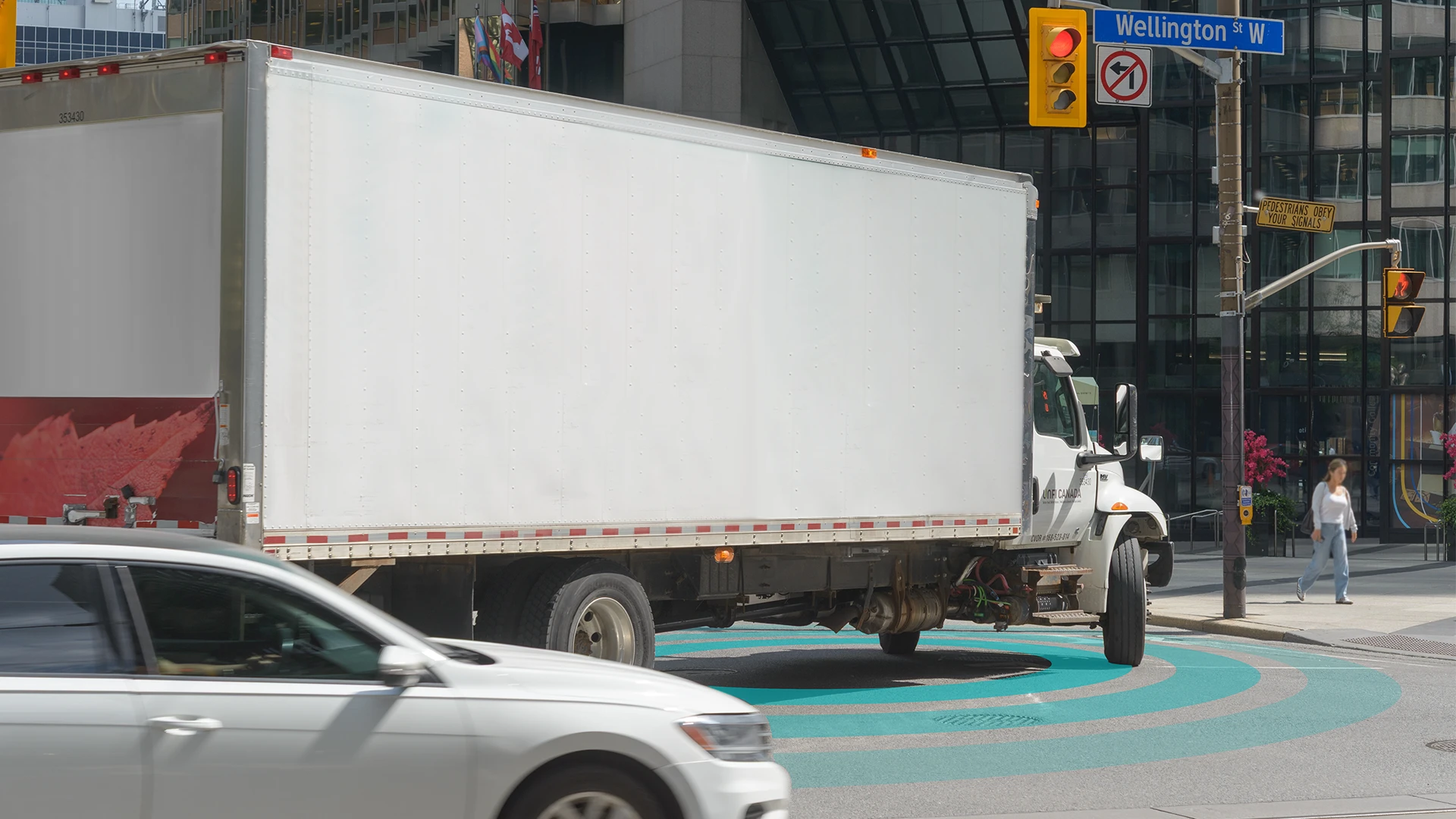
As Quebec considers this important step forward in protecting vulnerable road users (VRUs), Brigade is actively working with fleet operators, OEMs, and industry partners to run equipment trials and technical consultations to ensure readiness and compliance.
Direct Vision Standard
The Direct Vision Standard (DVS) is the first legislation of its kind. Since October 26 2020, ALL goods vehicles over 12 tonnes require a permit to drive into Greater London, including vehicles from outside of the UK. Starting in October 2024, it will be known as the “Progressive Safe System” (PSS). This transition is part of the broader effort to enhance safety standards.
Progressive Safe System (DVS 2)
The Progressive Safe System demands technology that can predict collisions based on the trajectories of the vehicle and the vulnerable road user (VRU). This prediction is crucial in determining if a collision is imminent. Furthermore, the system includes a specified alarm strategy designed to alert the driver to the severity of the situation.
General Safety Regulation (GSR)
The General Safety Regulation (GSR) for trucks is a set of safety standards that applies to heavy-duty trucks in the European Union (EU). The regulation sets out a range of requirements that aim to improve the safety of all vehicles on the road by mandating the use of advanced safety technologies and improving the design of the truck cab.
Vision Zero
IP Ratings Explained
An IP rating or Ingress Protection rating is a system formed by the International Electrotechnical Commission (IEC) to define levels of sealing effectives of electrical enclosures against foreign bodies. To put this simply, an IP rating will indicate how waterproof and dustproof an electrical product is.
R46
UN ECE Regulation No 46 (R46) covers devices for indirect vision and their installation by applying a test procedure to devices to establish whether all mandatory and optional HGV mirror classes allow the driver to view a specific minimum field of vision requirement. Only camera monitor systems with UN ECE Regulation 46 approval can be installed in place of a compulsory mirror.
Direct Vision Standard
The Direct Vision Standard (DVS) is the first legislation of its kind. Since October 26 2020, ALL goods vehicles over 12 tonnes require a permit to drive into Greater London, including vehicles from outside of the UK. Starting in October 2024, it will be known as the “Progressive Safe System” (PSS). This transition is part of the broader effort to enhance safety standards.
Progressive Safe System (DVS 2)
The Progressive Safe System demands technology that can predict collisions based on the trajectories of the vehicle and the vulnerable road user (VRU). This prediction is crucial in determining if a collision is imminent. Furthermore, the system includes a specified alarm strategy designed to alert the driver to the severity of the situation.
General Safety Regulation (GSR)
The General Safety Regulation (GSR) for trucks is a set of safety standards that applies to heavy-duty trucks in the European Union (EU). The regulation sets out a range of requirements that aim to improve the safety of all vehicles on the road by mandating the use of advanced safety technologies and improving the design of the truck cab.
Vision Zero
IP Ratings Explained
An IP rating or Ingress Protection rating is a system formed by the International Electrotechnical Commission (IEC) to define levels of sealing effectives of electrical enclosures against foreign bodies. To put this simply, an IP rating will indicate how waterproof and dustproof an electrical product is.
R46
UN ECE Regulation No 46 (R46) covers devices for indirect vision and their installation by applying a test procedure to devices to establish whether all mandatory and optional HGV mirror classes allow the driver to view a specific minimum field of vision requirement. Only camera monitor systems with UN ECE Regulation 46 approval can be installed in place of a compulsory mirror.
Direct Vision Standard
The Direct Vision Standard (DVS) is the first legislation of its kind. Since October 26 2020, ALL goods vehicles over 12 tonnes require a permit to drive into Greater London, including vehicles from outside of the UK. Starting in October 2024, it will be known as the “Progressive Safe System” (PSS). This transition is part of the broader effort to enhance safety standards.
Progressive Safe System (DVS 2)
The Progressive Safe System demands technology that can predict collisions based on the trajectories of the vehicle and the vulnerable road user (VRU). This prediction is crucial in determining if a collision is imminent. Furthermore, the system includes a specified alarm strategy designed to alert the driver to the severity of the situation.
General Safety Regulation (GSR)
The General Safety Regulation (GSR) for trucks is a set of safety standards that applies to heavy-duty trucks in the European Union (EU). The regulation sets out a range of requirements that aim to improve the safety of all vehicles on the road by mandating the use of advanced safety technologies and improving the design of the truck cab.
Vision Zero

Cross Traffic Monitoring
GS-BAU-71
IP Ratings Explained
An IP rating or Ingress Protection rating is a system formed by the International Electrotechnical Commission (IEC) to define levels of sealing effectives of electrical enclosures against foreign bodies. To put this simply, an IP rating will indicate how waterproof and dustproof an electrical product is.
R46
UN ECE Regulation No 46 (R46) covers devices for indirect vision and their installation by applying a test procedure to devices to establish whether all mandatory and optional HGV mirror classes allow the driver to view a specific minimum field of vision requirement. Only camera monitor systems with UN ECE Regulation 46 approval can be installed in place of a compulsory mirror.
Direct Vision Standard
The Direct Vision Standard (DVS) is the first legislation of its kind. Since October 26 2020, ALL goods vehicles over 12 tonnes require a permit to drive into Greater London, including vehicles from outside of the UK. Starting in October 2024, it will be known as the “Progressive Safe System” (PSS). This transition is part of the broader effort to enhance safety standards.
Progressive Safe System (DVS 2)
The Progressive Safe System demands technology that can predict collisions based on the trajectories of the vehicle and the vulnerable road user (VRU). This prediction is crucial in determining if a collision is imminent. Furthermore, the system includes a specified alarm strategy designed to alert the driver to the severity of the situation.
General Safety Regulation (GSR)
The General Safety Regulation (GSR) for trucks is a set of safety standards that applies to heavy-duty trucks in the European Union (EU). The regulation sets out a range of requirements that aim to improve the safety of all vehicles on the road by mandating the use of advanced safety technologies and improving the design of the truck cab.
Vision Zero

Milan Blind Spot
IP Ratings Explained
An IP rating or Ingress Protection rating is a system formed by the International Electrotechnical Commission (IEC) to define levels of sealing effectives of electrical enclosures against foreign bodies. To put this simply, an IP rating will indicate how waterproof and dustproof an electrical product is.
R46
UN ECE Regulation No 46 (R46) covers devices for indirect vision and their installation by applying a test procedure to devices to establish whether all mandatory and optional HGV mirror classes allow the driver to view a specific minimum field of vision requirement. Only camera monitor systems with UN ECE Regulation 46 approval can be installed in place of a compulsory mirror.
Direct Vision Standard
The Direct Vision Standard (DVS) is the first legislation of its kind. Since October 26 2020, ALL goods vehicles over 12 tonnes require a permit to drive into Greater London, including vehicles from outside of the UK. Starting in October 2024, it will be known as the “Progressive Safe System” (PSS). This transition is part of the broader effort to enhance safety standards.
Progressive Safe System (DVS 2)
The Progressive Safe System demands technology that can predict collisions based on the trajectories of the vehicle and the vulnerable road user (VRU). This prediction is crucial in determining if a collision is imminent. Furthermore, the system includes a specified alarm strategy designed to alert the driver to the severity of the situation.
General Safety Regulation (GSR)
The General Safety Regulation (GSR) for trucks is a set of safety standards that applies to heavy-duty trucks in the European Union (EU). The regulation sets out a range of requirements that aim to improve the safety of all vehicles on the road by mandating the use of advanced safety technologies and improving the design of the truck cab.
Vision Zero
IP Ratings Explained
An IP rating or Ingress Protection rating is a system formed by the International Electrotechnical Commission (IEC) to define levels of sealing effectives of electrical enclosures against foreign bodies. To put this simply, an IP rating will indicate how waterproof and dustproof an electrical product is.
R46
UN ECE Regulation No 46 (R46) covers devices for indirect vision and their installation by applying a test procedure to devices to establish whether all mandatory and optional HGV mirror classes allow the driver to view a specific minimum field of vision requirement. Only camera monitor systems with UN ECE Regulation 46 approval can be installed in place of a compulsory mirror.

CLOCS-A
Vision Zero
R46
UN ECE Regulation No 46 (R46) covers devices for indirect vision and their installation by applying a test procedure to devices to establish whether all mandatory and optional HGV mirror classes allow the driver to view a specific minimum field of vision requirement. Only camera monitor systems with UN ECE Regulation 46 approval can be installed in place of a compulsory mirror.
IP Ratings Explained
An IP rating or Ingress Protection rating is a system formed by the International Electrotechnical Commission (IEC) to define levels of sealing effectives of electrical enclosures against foreign bodies. To put this simply, an IP rating will indicate how waterproof and dustproof an electrical product is.