
Safety Around Bus and Coach Vehicles

Passenger Carrying
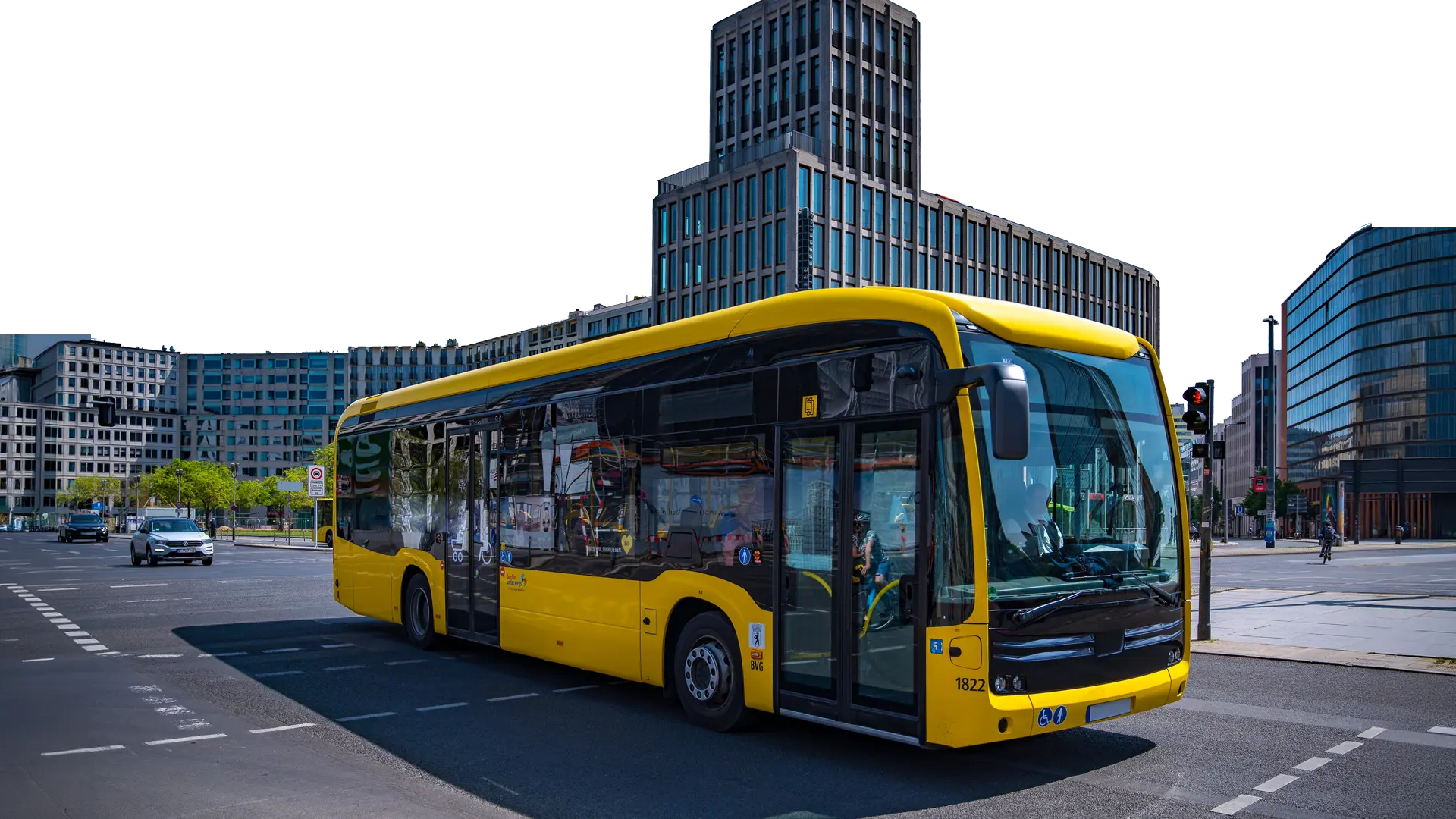
Bus and coach vehicles operate in busy urban environments where visibility is critical. Improve safety for passengers, drivers and vulnerable road users with systems designed to reduce blind spots and support safer operation.
Speak to our team

Improving Safety Around Bus and Coach Vehicles

Passenger-carrying vehicles provide a vital service across cities and transport networks. From daily commuting to long-distance travel, buses and coaches operate in environments where safety and efficiency must be carefully balanced.

Due to their size and driver position, these vehicles have significant blind spots. This limits visibility around the vehicle, particularly when operating near cyclists, pedestrians and other road users.

In congested urban areas, these challenges increase the risk of incidents during manoeuvring, turning and stopping.

Common challenges include:

^

Blind spots around the sides and rear of vehicles

^

Close proximity to cyclists and pedestrians

^

Rear overhang affecting manoeuvring

^

Operating in bus stations, depots and narrow streets

^

Risk of vandalism and false claims

High risk

Urban environments increase interaction with vulnerable road users

Limited visibility

A key factor in vehicle-related incidents

Operational pressure

Tight schedules increase driver workload

Why Bus and Coach Vehicles Need Specialist Safety Systems

Standard mirrors cannot provide full visibility around large passenger vehicles. Blind spots remain a significant challenge, particularly in urban environments.

Each vehicle type presents different risks. Buses operate in stop-start traffic with frequent passenger interaction, while coaches often manoeuvre in tight depots and unfamiliar locations.

Without additional support, drivers must rely heavily on judgement alone, increasing the likelihood of missed hazards.
aeroplane being pulled by airport tug

Adaptable for Passenger Carrying Vehicles

Safety systems can be configured to match the specific risks of bus and coach operations. By combining technologies, operators can build a solution that supports both safety and service reliability.
Typical configurations include:
^
Camera systems to improve all-round visibility
^
Radar and ultrasonic sensors to detect obstacles
^
In-cab monitors to present clear, real-time views
^
Reversing alarms to alert people nearby
^
Recording systems to support incident review and training

Bus

Operating in busy urban routes, buses require enhanced visibility and detection to support safe interaction with passengers and road users.

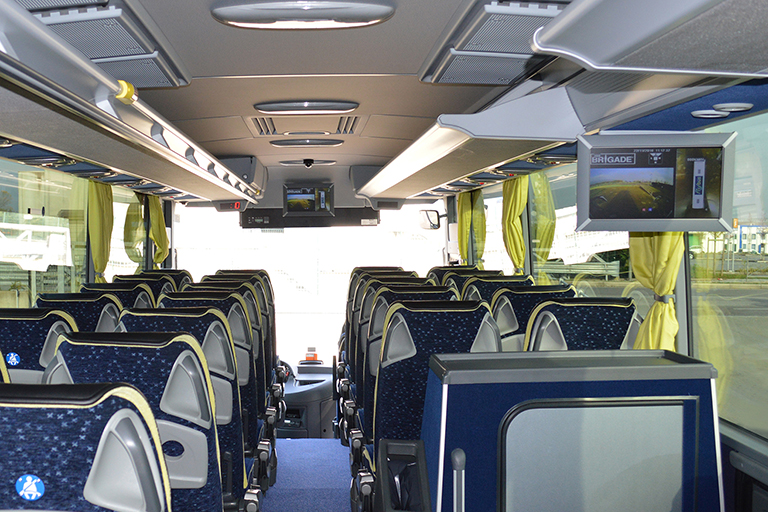
Coach

Used for long-distance and group travel, coaches benefit from improved awareness when manoeuvring in depots and unfamiliar environments.

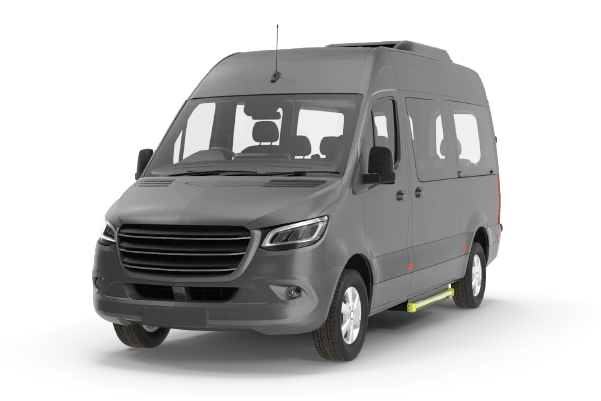
Minibus

Compact but often used in high-traffic areas, minibuses require reliable visibility and detection to support safe operation.

Need Help Choosing the Right System?

Speak to our safety experts to see how Brigade can protect your drivers and fleet.

^

Benefits

Safer Bus and Coach Operations

Driver Awareness Icon

Improved Driver Awareness

Gives drivers a clear, real-time view of their surroundings in busy airport environments.

Safer Manoeuvring

Supports precise vehicle positioning when working close to aircraft and ground equipment.

Reduced Downtime

Helps keep vehicles operational by reducing delays caused by avoidable incidents.

Support for Training

Provides recorded footage to support driver training and operational improvements.

Greater Confidence

Equips drivers with the tools they need to operate safely and confidently.

Frequently Asked Questions

How can I make my bus fleet safer for cyclists?

Improving visibility with camera systems and fitting detection sensors and radars helps drivers identify cyclists in blind spots, particularly when turning or pulling away.

What are some tips for improving driver visibility on large buses?

Use multi-camera systems, including side and rear views, to give drivers a clearer picture of their surroundings beyond what mirrors can provide.

What are the biggest blind spots on a coach bus?

Coach buses typically have blind spots along the sides, near the front corners and at the rear, making it difficult to see cyclists, pedestrians and smaller vehicles.

What technology helps prevent bus accidents with pedestrians?

Camera systems, radar and ultrasonic sensors can detect people around the vehicle and provide visual or audible alerts to support driver awareness.

Build the Right Safety System for Your Bus and Coach Vehicles

Get tailored recommendations based on your fleet and operating environment.

Contact Brigade

Would you like to contact Brigade Electronics? Please use one of the following options below.

Find Your Nearest Distributor

Brigade has a worldwide network of approved distributors and installers. Find the nearest one near you.